 JuicyTalk
WARNING: SPOILERS FOR THE ENDING OF NARUTO SHIPPUDENThe epic and emotional story of Naruto resonates with millions of people worldwide thanks to author Masashi Kishimoto’s dynamic art, incredible action, and deep character writing. While the series is filled with humor and battles that fans still talk about today, its tackling of larger themes relating to the power of empathy and the effects of humanity’s cycle of violence and hatred greatly helped the story stand above others. And 10 years ago, it delivered one of the anime’s most narratively poignant episodes that taught Sasuke and audiences a valuable lesson our world could use more of.
Naruto‘s story has continued in several ways since its manga concluded in 2014 and the anime in 2016, but few of the franchise’s additional releases, like Boruto and video game projects, have arguably failed to scratch the same itch the original series provided. Recent announcements involving a new Naruto crossover anime and manga sequel have excited long-time fans like myself. It’s also caused me to reminisce about the elements that helped make Kishimoto’s tale so prominent with people of different cultures worldwide.
If the Naruto series had ended after the Pain arc, it would have left several plot lines unresolved, and many of the story’s larger themes not fully explored. While several moments of the Fourth Shinobi War arc fell flat, the final battle between the extremely powerful Naruto and Sasuke provided a narrative catharsis many franchises never reach, and helped drive home a vital life lesson the entire series had built toward.
Naruto’s Lessons Strike The Heart Of Humanity’s Hatred
After enduring years of filler episodes and an all-powerful alien villain who felt more like sequel bait than an effective final antagonist, the Naruto Shippuden anime finally delivered one of shōnen’s best endings with the conclusion of Naruto and Sasuke’s years of tension. Their (seemingly) final battle saw each use nearly every technique and lesson they’d learned throughout the story against one another, but on October 6, 2016, episode #478, “The Unison Sign,” saw the end of their rivalry with the delivery of a few words after a cataclysmic battle that scarred the planet.
For years, Naruto consistently tried to persuade Sasuke to let go of his thirst for revenge and return to his life in Konoha. The Uchiha orphan continuously pushed Naruto back for an answer on why he refused to sever their bond. And every time Naruto’s answer was, “Because you are my friend.” It wasn’t until they both lay in the wreckage of their battle with bloody stumps that Sasuke finally asked what that answer meant to Naruto. His answer came from a place that holds the secret solution to many of the world’s biggest problems: empathy.
Throughout the filler and canon Naruto arcs, he encountered dozens of characters suffering from a wide range of plights and injustices. A lot of those characters went through toxic transformations and/or lost sight of who they were and the dreams they once hoped to accomplish. Because Naruto had suffered from his own traumas, his words often came from a place of understanding and empathy that didn’t want to see others suffer like he once did. That perspective reminded so many that they are not alone in this world, in the story and off the page.
After many of Naruto’s best fights, he was able to use his past experiences and perspective to highlight the errors of his foes’ ways. His empathic words proved to be so effective that many villains would later sacrifice themselves to either protect Naruto or to repair the damage they had done. Both Pain and Obito are some of the most prominent examples, but Sasuke’s stubbornness took a lot more time and effort to crack. But eventually Naruto’s “talk-no-jutsu” finally proved to be effective against his oldest friend.
The Conversation That Ended The Cycle Of Hatred

When Naruto was finally pressed by his friend to explain what friendship means to him, his response and Sasuke’s reaction caused my face to leak. “When I see you take on stuff and get all messed up…it kinda hurts me. It hurts so much inside that I just can’t leave it alone.” That finally convinced Sasuke because it made him recall the warmth their early bond provided to the young Uchiha’s wounded heart. By not pushing others away, he didn’t have to deal with his issues and stresses alone, and that while some relationships can be painful, they ultimately are worth the trouble to improve one another’s lives.
The cathartic and emotional conclusion to Naruto and Sasuke’s rivalry genuinely helped me grow as a person and fueled my desire to help others in the pursuit of making the world a better place. There are people like Sasuke, consumed with the feeling that they must confront their problems and trauma alone and not ask for help because they fear it would make them look weak. Because of that mindset, they often believe themselves to be superior to those around them. But if everyone shared that perspective, the world would be a consistently violent and cold existence.
It was Naruto’s friendship and tenacious will that helped melt the young Uchiha’s icy demeanor, and when he began to realize this, he ran away into the clutches of the powerful and iconic Naruto villain, Orochimaru. Even after Sasuke had avenged his clan, his anger at the world’s injustices did not disappear. Eventually, that hatred threatened the world. But in episode #478, Naruto’s empathy finally won out, convincing Sasuke that life is better with the bonds created with others compared to trying to navigate life alone.
Why The World Needs Naruto’s Lessons More Than Ever

Without getting too into the current chaotic nature of today’s political climate, arguably the most important life lesson that can be learned from the Naruto story is that people can accomplish so much more by working together than if we each tried to tackle the world’s problems alone. Misinformation spreads quickly across the worldwide web, and a lot of it is specifically engineered to make people distrustful and hateful of people who are different, people that they don’t understand.
At the surface, Naruto is a silly cartoon about ninjas with superpowers. But after paying attention to Masashi Kishimoto’s writing, it’s content quickly shows signs of greater themes that everyone can learn a lot from. And even 10 years after the episode where Naruto finally gets Sasuke to admit defeat, it contributes a powerful lesson that I wish more people would practice.
- First Film
-
Naruto the Movie: Ninja Clash in the Land of Snow
- Latest Film
-
Boruto: Naruto the Movie
- First TV Show
-
Naruto
- Latest TV Show
-
Boruto: Naruto Next Generations
- First Episode Air Date
-
October 3, 2002
- Cast
-
Junko Takeuchi, Maile Flanagan, Noriaki Sugiyama, Chie Nakamura, Kazuhiko Inoue, Nana Mizuki, Hideo Ishikawa, Yûko Sanpei
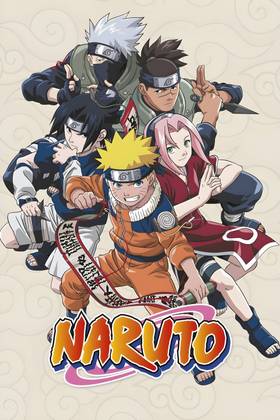
Naruto is a franchise spawned from the manga series penned by Masashi Kishimoto that began in 1999. Generating several tv series, games, movies, and more, Naruto follows the exploits of a young outcast ninja harboring the spirit of a demon fox who seeks to become the Hokage, the leader of his ninja village, to break the stigma against him. Upon the conclusion of the initial series, Naruto expanded into Boruto, following many series protagonists’ children and returning faces.
