 JuicyTalk
This summer saw the release of Spider-Man: Brand New Day and Supergirl, representing the latest installments in the Marvel Cinematic Universe and DC Universe respectively. And while they performed very differently in the box office, they revealed the one true difference between these two cinematic superhero universes.
As James Gunn’s DCU has begun to take shape, some fans have complained it’s too similar to Kevin Feige’s MCU. Both rely on relatively formulaic story beats, a level of snark that can feel excessive, and scattergun cameos to establish a larger universe.
However, the two are different in one key way, and the way in which they diverge is particularly exciting for any fan of the superhero genre and the DCU’s future.
Spoilers for Supergirl and Spider-Man: Brand New Day from here on.
Supergirl and Spider-Man Share a Vital Plot Point
In both Supergirl and Spider-Man: Brand New Day, the movie concludes with a young woman facing her tormentor, while the titular superhero tries to talk them out of killing him. In Ruthye’s case, Krem of the Yellow Hills killed her family. In Jean Grey’s case, William Metzger experimented on her and killed her sister.
In both cases, the heroes beg the young woman not to kill her enemy, using their own trauma to try and persuade them. In Spider-Man, Peter is successful. Jean releases Metzger, who escapes thanks to the Punisher’s attempts to bring Jean down. As the movie ends, the police – represented by Spider-Man’s ally Jean DeWolff – are on Metzger’s tail.

In Supergirl, Kara is also successful. She persuades Ruthye not to kill Krem, but then stabs him herself – once for poisoning her dog, and once to rid the galaxy of him and avenge Ruthye. (It’s worth noting that in the original comics, Krem is spared and seeks redemption, but is never forgiven by Ruthye.)
Supergirl makes it clear that Kara doesn’t want Ruthye to kill Krem because it will change her, harming her soul in a way Kara has already experienced. Spider-Man: Brand New Day is less clearcut – Spider-Man clearly thinks killing Metzger would be bad for Jean, but also appears to believe that handing him over to the authorities is the most just thing to do.
The MCU and DCU Have Different Philosophies About Lethal Violence

If these different views of lethal violence were just contained to Spider-Man: Brand New Day and Supergirl, it would be a curiosity, but this attitude runs throughout the MCU and DCU so far. In fact, it seems fair to say that the DCU as a whole exhibits moral approval of heroes acting as judge, jury and executioner, while the MCU disapproves.
Both Hawkgirl and Supergirl killing evil people who can’t fight back is presented as triumphant…
Notably, in Superman, Hawkgirl is shown killing corrupt politician Vasil Ghurkos, boasting that she’s not Superman and doesn’t have to live by his moral code. Both Hawkgirl and Supergirl killing evil people who can’t fight back is presented as righteous and triumphant.
The MCU Only Has One Real ‘Heroic Execution’

There are thirty-eight current MCU movies, and in almost none of them do heroes execute their villains. Villains die from their own mistakes (Obadiah Stane, Mysterio) and from being killed by their villainous allies (Ulysses Klaue, Kaecilius.) They are also killed by heroes in self-defense (Aldrich Killian, Killmonger), or in active battle (Ultron, Hela.)
The only ‘executions’ of villains who no longer pose an immediate physical threat that come to mind in the MCU either come from movies directed and written by James Gunn (Star-Lord killing Recorder Theel) or are framed as villainous (the brainwashed Winter Soldier killing Jasper Sitwell.) The only exception is Thanos.
Thanos’ Death Presents the Avengers as Soldiers

In Avengers: Endgame, the Avengers track down and behead Thanos, despite him no longer posing an active threat to anyone. In this case, the movie arguably frames the Avengers as agents of the state.
In the past, the MCU has been accused of acting as military propaganda, both in how it depicts the armed forces and the way it shapes superheroes to look and act more like soldiers (also in seeking military script approval for movies including Iron Man and Captain Marvel.) To whatever degree you agree with this characterization, the MCU certainly uses a more militarized aesthetic for its superheroes than the original comics or the DCU (so far.)
In the case of Avengers: Endgame, the Avengers are depicted as akin to soldiers pursuing a war criminal. Thor beheading Thanos isn’t presented as mere vengeance, but a valid military operation carried out on behalf of the planet, with a full strike team in attendance.
The DCU’s heroes do good despite the state, not alongside it.
The DCU Actively Disapproves of State Authority

In contrast, the DCU appears to actively disapprove of not just state-approved violence, but formal authority in general. In The Suicide Squad, Peacemaker and Creature Commandos, the antiheroic protagonists defy Amanda Waller despite her role as Director of A.R.G.U.S. When Peacemaker kills Rick Flag under official orders and for the safety of his country, it’s presented as a villainous act that haunts him during his later pursuit of redemption.
Even in Superman, one of Clark Kent’s most memorable moments is arguing that he was morally correct to ignore international lore because “people were going to die!” The DCU’s heroes do good despite the state, not alongside it.
The DCU Is Taking an Edgier Position Than the MCU

It’s not surprising that the DCU and MCU would have identifiable philosophies of violence. Both are overseen by specific individuals (Feige for Marvel, Gunn for DC) charged with crafting a cohesive fictional universe and a consistent entertainment product.
Under Kevin Feige, the MCU is perfectly happy killing off villains, but avoids depicting its heroes as executioners. Under James Gunn, the DCU isn’t just happy to depict executions as heroic, but has done so multiple times despite only a handful of movies.
This philosophical difference makes any MCU vs DCU rivalry way more meaningful.
Whatever your outlook on these different perspectives and which one (if either) is right, DCU’s moral outlook is inarguably far more radical
This Difference Makes the MCU/DCU Rivalry Way More Interesting

There are lots of different ways to see the DCU and MCU’s different attitudes to lethal violence. Some will argue that Gunn is tapping into a political moment where people feel disenfranchised by traditional sources of authority and crave seismic moral change. Others will argue that turning superheroes into executioners is inherently fascistic – a criticism long aimed at superhero fiction, even by acclaimed comic writers like Watchmen‘s Alan Moore and The Boys‘ Garth Ennis.
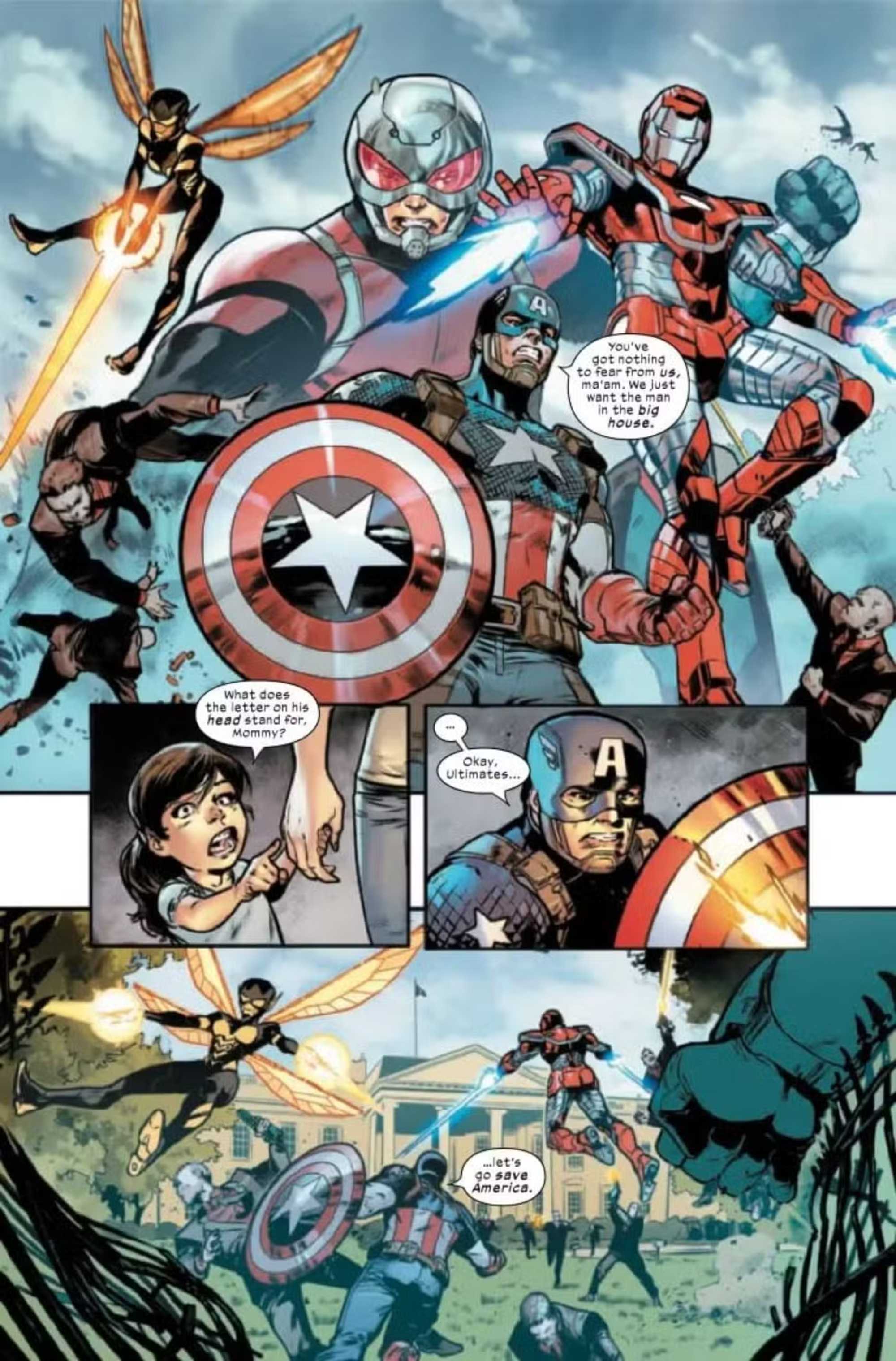
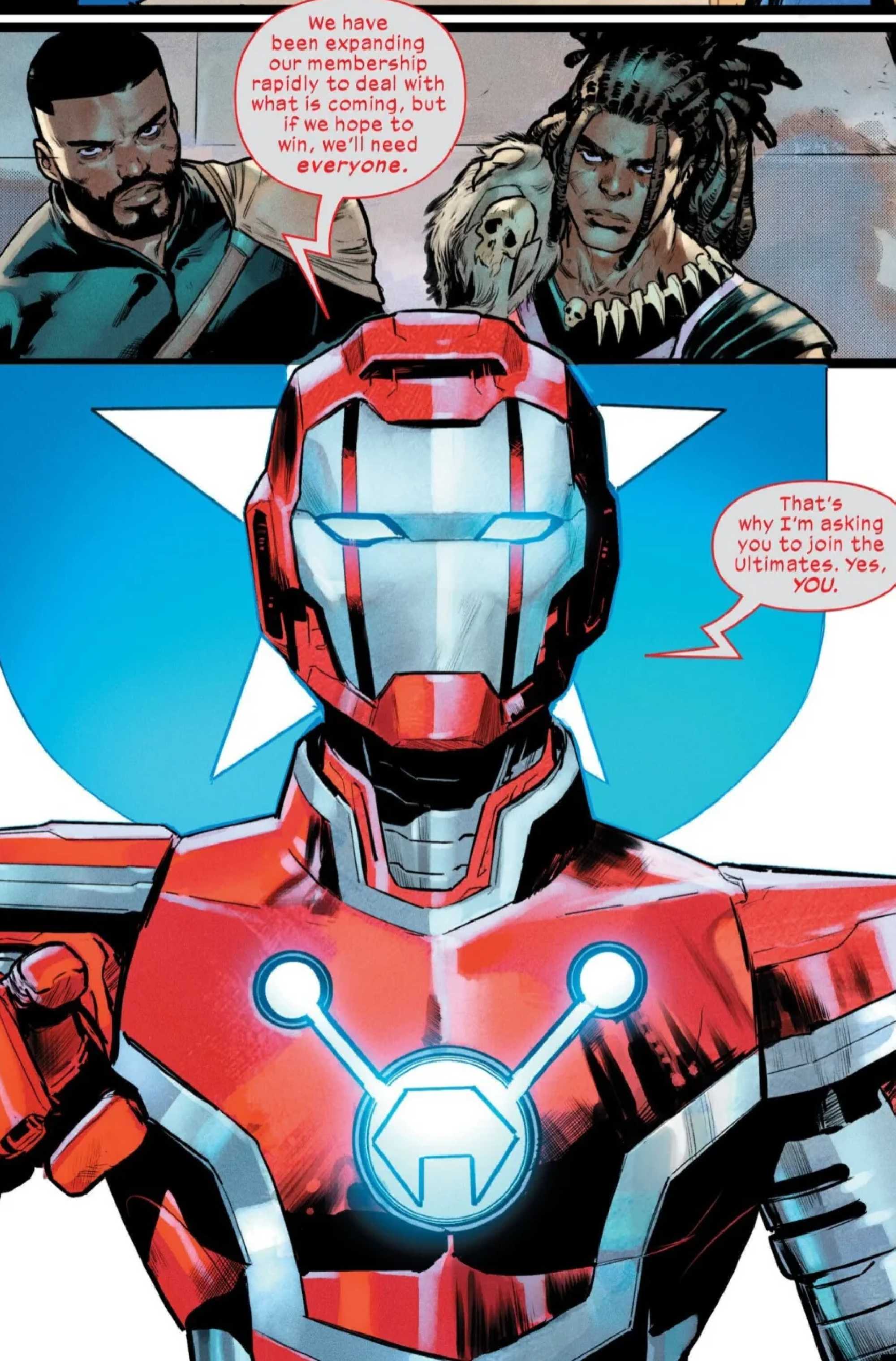
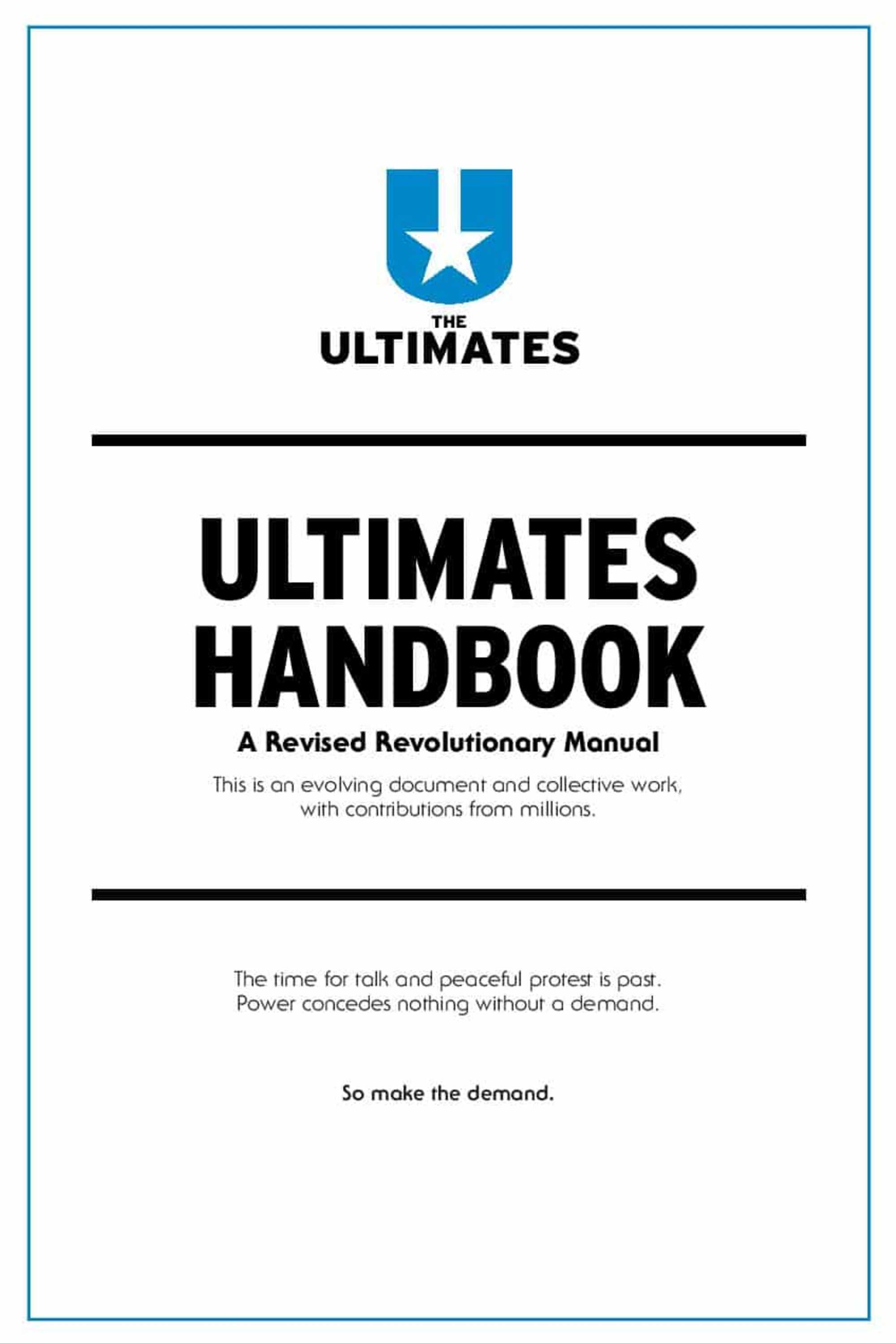
It’s worth noting that the MCU’s consistent philosophical outlook doesn’t extend to comics. Over in its comics, Marvel often embraces the same concept of heroes as righteous killers, and even lethal enemies of authority. The critically acclaimed and commercially successful Ultimates series – from Deniz Camp and Juan Frigeri – favorably depicts a violent uprising against the government, including heroes literally storming the White House.
Wherever you come down on this philosophical difference, it makes competition between the MCU and DCU far more exciting. As Spider-Man: Brand New Day and Supergirl demonstrate, the MCU and DCU have different arguments about the validity of non-state violence, and it will be fascinating to see how they continue to contrast going forward.

- Release Date
-
July 29, 2026
- Runtime
-
145 minutes
- Writers
-
Chris McKenna, Erik Sommers
- Producers
-
Avi Arad, Kevin Feige, Louis D’Esposito, Amy Pascal, David Cain
