 JuicyTalk
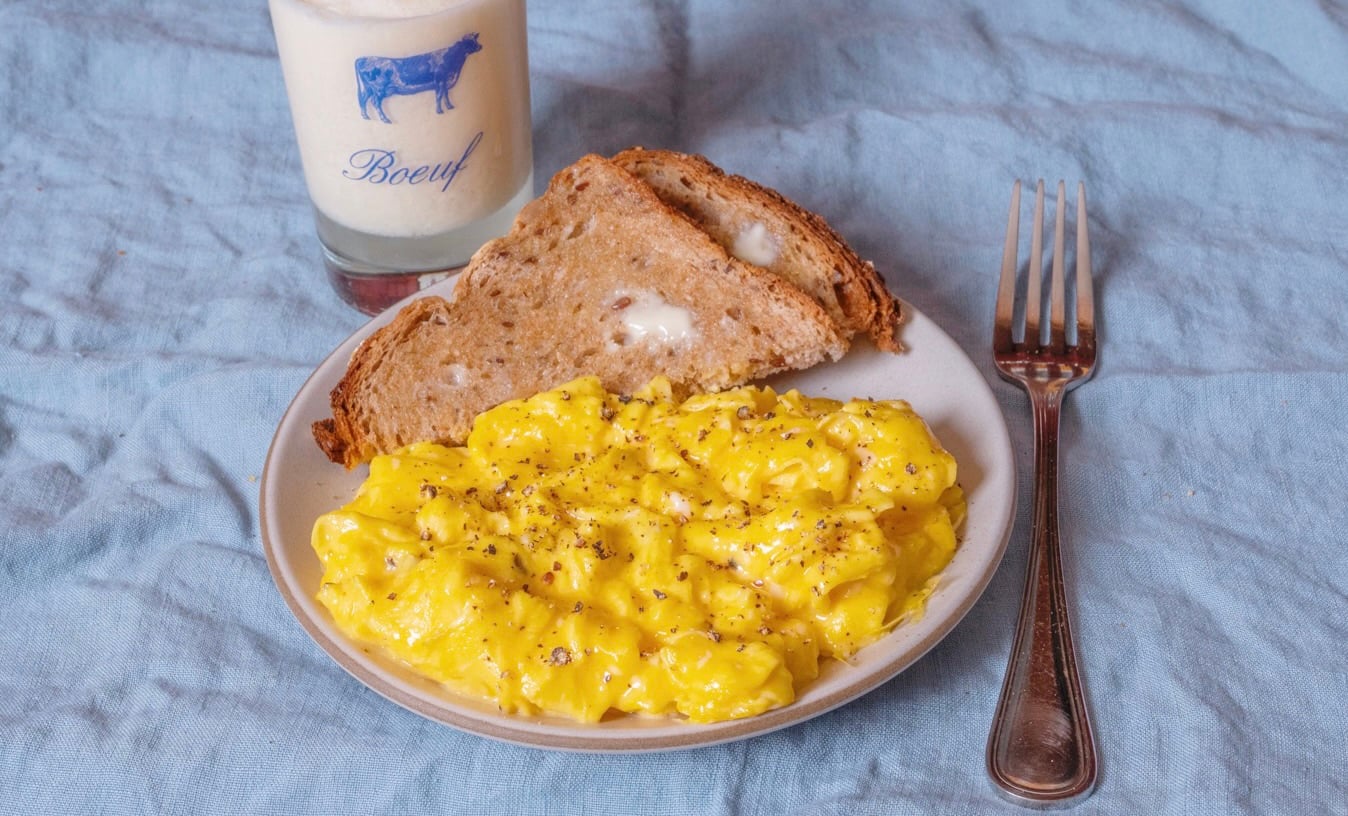
Every month, we’ll take a deep dive into a simple technique or piece of kitchen wisdom that will change the way you cook. Back to Basics isn’t about memorizing another recipe — it’s about learning something so well you don’t need one.
Our first topic is scrambled eggs. When they’re good, omg they’re good. When they’re bad, eek! A few small decisions will give you a tender scramble with big, glossy curds every time. Here are eight rules:
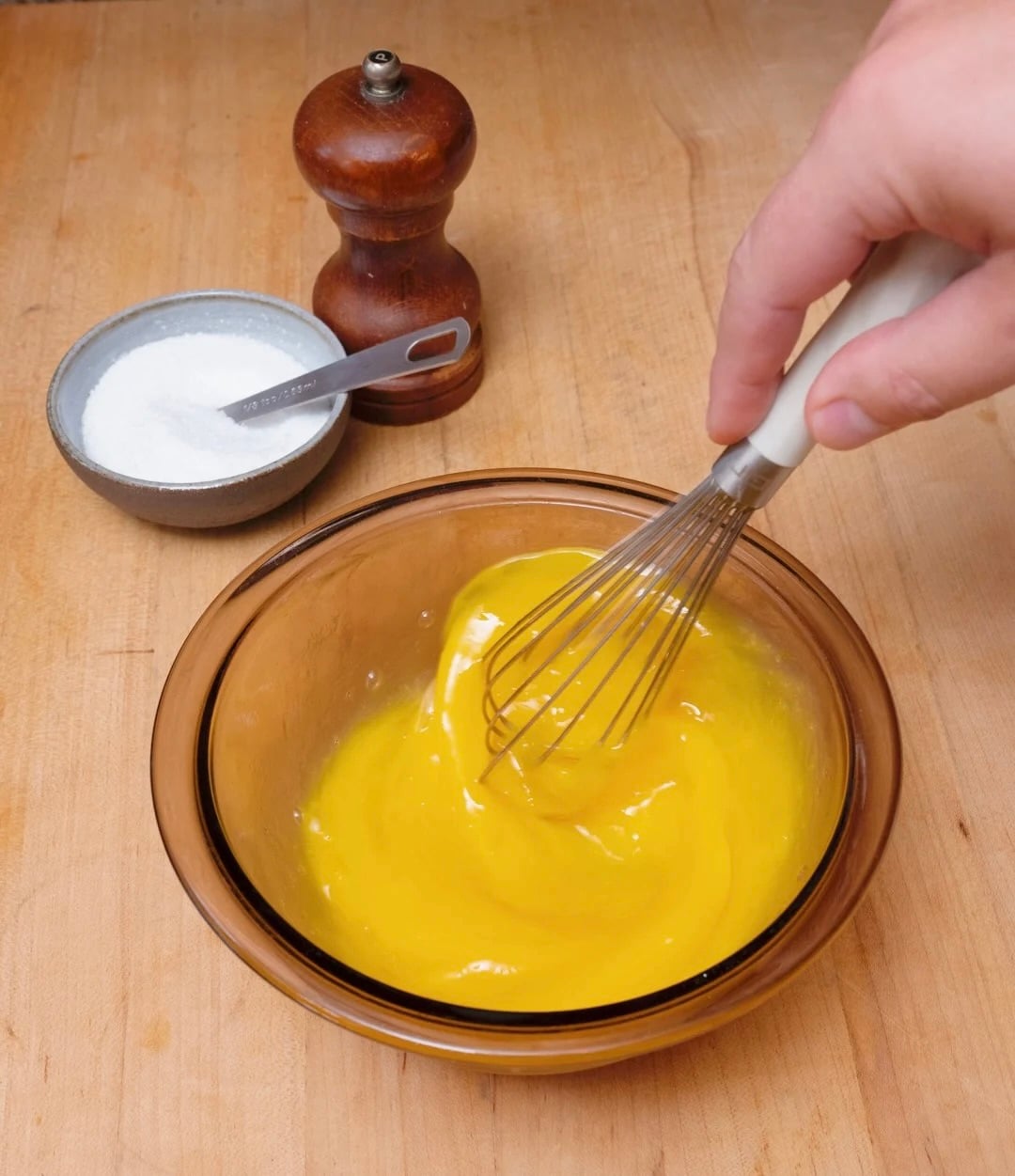
1. Salt your eggs before you cook them. How much salt? I’m so happy you asked! For every two large eggs, use 1/8 teaspoon of kosher salt. And this is important: Add the salt before you whisk the eggs. Salt helps the proteins hold onto moisture as they cook, which means very tender eggs.
2. Whisk more than you think you need to. Use an actual whisk, not a fork. A whisk brings more air into the mixture and helps it homogenize properly. Once you break up the yolks, keep going until the eggs are completely combined into a uniform, frothy yellow with no streaks of egg white. That’s about 20 to 30 seconds of good elbow grease.
3. Skip the dairy, but add flavor. You don’t need milk, cream, or crème fraîche to make tender scrambled eggs. Dairy can make the eggs watery, causing them to cook longer; plus, it dilutes the rich egg taste. But if you want to add a little grated cheese, dried herbes de Provence, thinly sliced chives, a pinch of red pepper flakes, or lots of black pepper, now is the time.
4. Use the right size skillet. For two to four eggs, use an eight-inch nonstick skillet and move up a size as your egg count increases. A giant skillet spreads the eggs into a thin layer; a smaller skillet gives them enough depth to form big, beautiful curds.
5. Go easy on the heat. Don’t crank the burner to high and let it rip. Set your skillet over medium-low heat and add a small pat of unsalted butter. Tilt the skillet as the butter melts to coat the bottom. When the butter is foamy but not browned, that’s your cue to add the eggs.
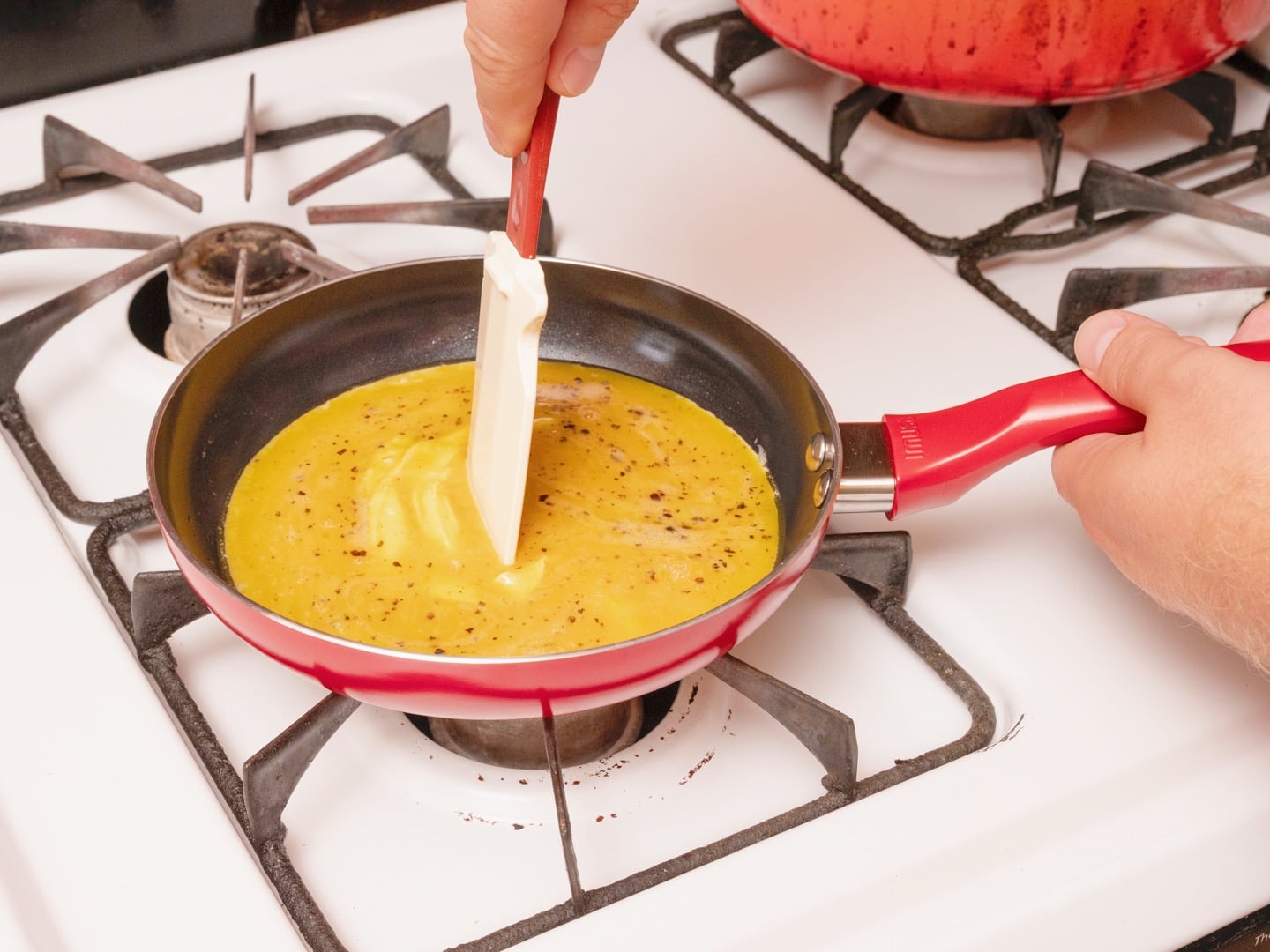
6. Push, don’t stir. Pour the eggs into the skillet and leave them alone. You’ll see a thin layer start to set around the edges. Now use a silicone spatula to gently push the cooked egg from the edge toward the center. Raw egg will flood in to fill the empty space. Let it set, then push again.
7. Cut the heat when they get close. When the eggs are mostly set, turn off the heat and fold them gently. The last 20 or 30 seconds are when good scrambled eggs become overcooked scrambled eggs.
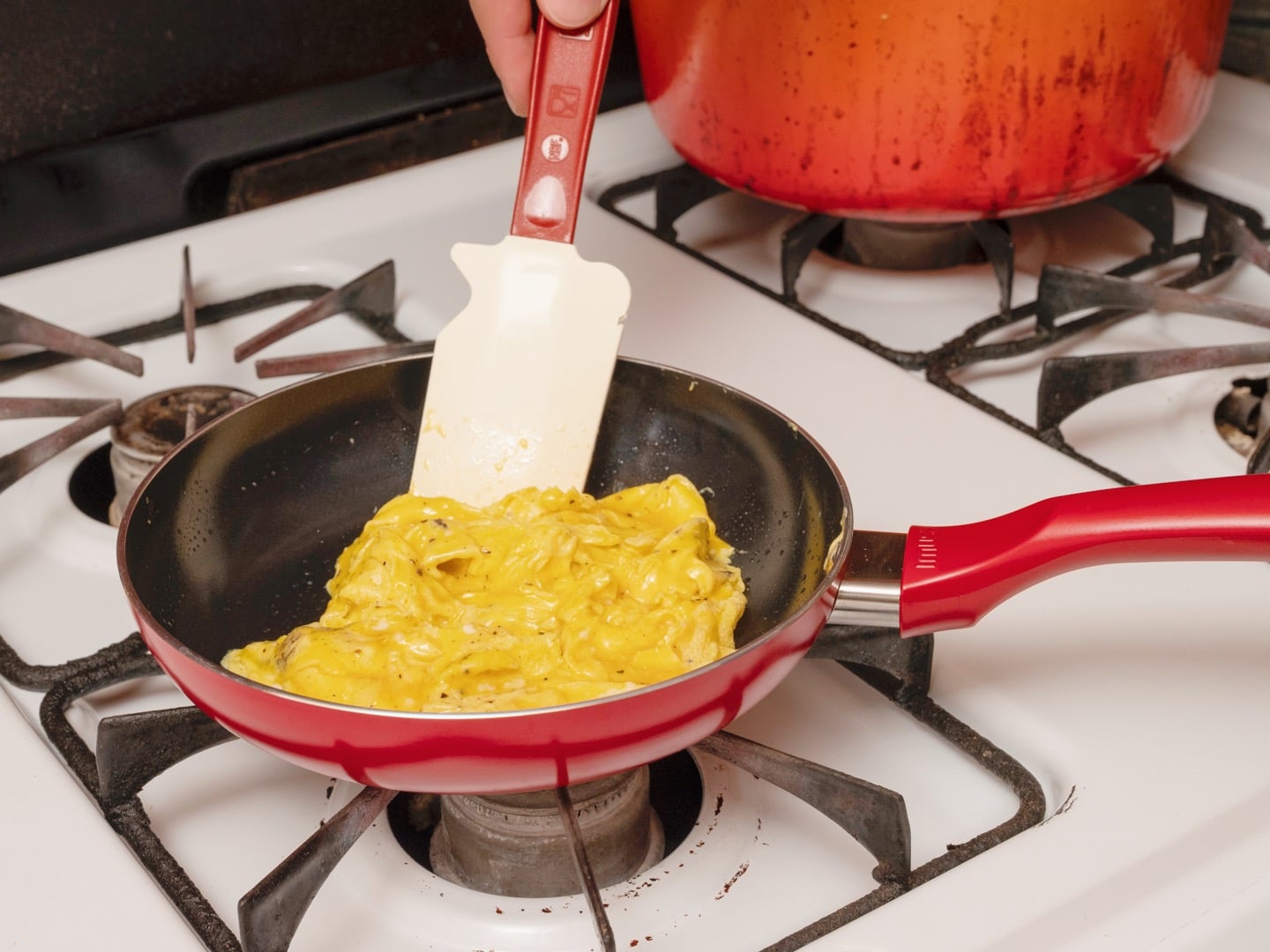
8. Plate them before they look done. This is the big one, and you just have to trust me. The eggs have enough residual heat to keep cooking after they leave the skillet, so when you have soft curds that still look slightly wetter and glossier than you ultimately want them, get them onto a plate. By the time you sit down, they’ll be perfect.
Since I was little, my favorite way to eat scrambled eggs has been piling them on buttered toast. But you can also veer diner-style with bacon, hash browns, anything you like. Enjoy!
Casey Elsass is a food writer, recipe developer, and cookbook author based in Brooklyn. He is the author of the bestselling cookbook What Can I Bring?: Recipes to Help You Live Your Guest Life and has co-authored more than 30 cookbooks. His writing has appeared in publications including The New York Times, New York Magazine, Bon Appétit, NPR, Food52, and, of course, Cup of Jo.
P.S. Three favorite egg recipes, and a soft scramble with shallots and comté.
(Photos by Pacifico Silano.)
