 JuicyTalk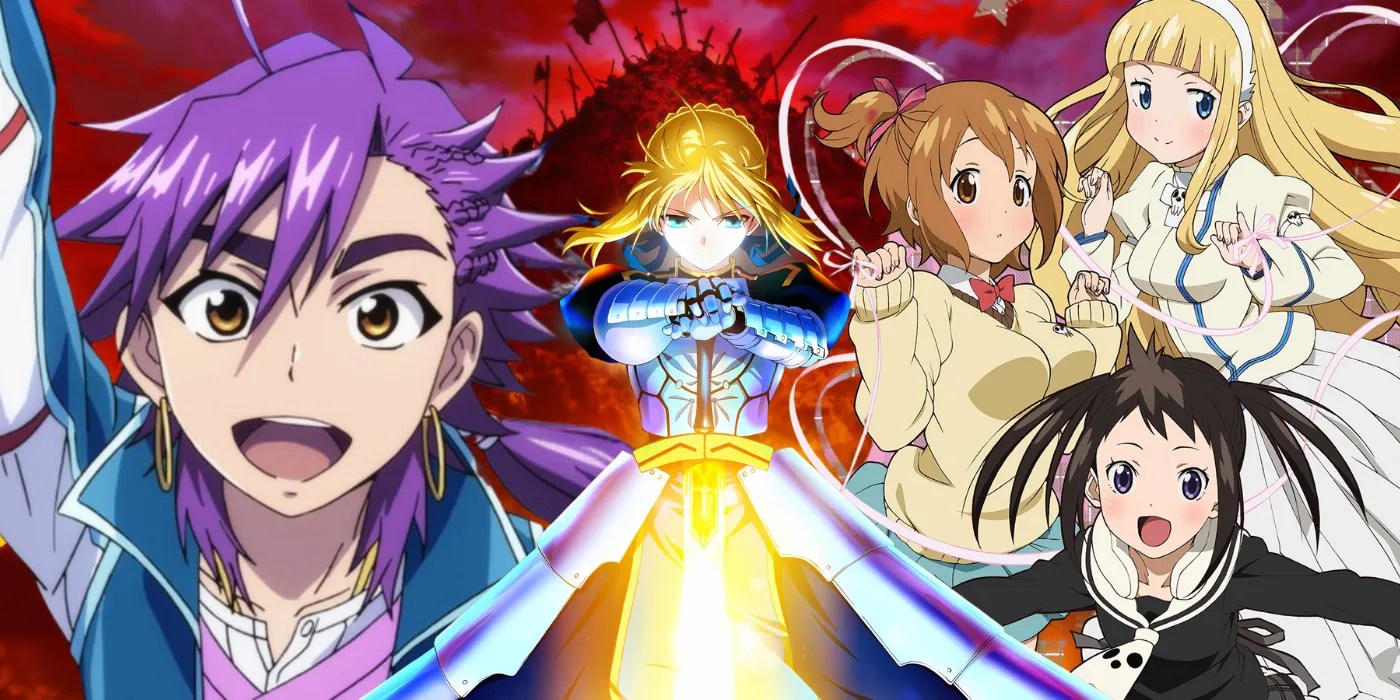
Anime spin-offs expand worlds and offer a fresh perspective on characters and settings. Some build upon their source material with their storytelling, lore, and inventive revelations that elevate the original experience of the main series. Whether through prequels, sequels, or even alternative universes, some spin-offs stand out as worthy companions to the main series; however, others don’t achieve the same level of success.
While some spin-offs build upon and even, at times, outshine their predecessors, others fail to capture the essence of what made the originals so special. Whereas spin-offs have the opportunity to enrich and surpass the main series, it’s also possible for the exact opposite to occur. The bottom line is that some anime offshoots deserve recognition as must-watch experiences for fans of the original series, while others serve as examples of how not to handle an extended storyline.
10
Worst: Saint Seiya: Omega
Produced by Toei Animation, Based on the Manga Saint Seiya, by Masami Kurumada
Saint Seiya: Omega is a sequel to the classic Saint Seiya, set years after the original series. It introduces a new generation of Saints, led by Koga, a young warrior who inherited the mantle of Pegasus. With Athena threatened once again, Koga and his allies battle powerful enemies. The series retains familiar elements of the original, but it shifts toward a more modernized and youthful, shonen-style approach.
Despite its attempt to modernize, the series falls short due to its lackluster storytelling and underdeveloped characters. The spin-off diluted the charm and depth of the original, replacing it with a storyline that lacked emotional weight. Longtime fans found the drastic changes in lore and combat mechanics unnecessary, making the series feel disconnected from Saint Seiya and coming across as a misguided attempt to appeal to a younger audience.
9
Best: Magi: Adventure of Sinbad
Produced by Lay-Duce, Based on the Maga Magi: The Labyrinth of Magic, by Shinobu Ohtaka

Magi: Adventure of Sinbad is a prequel to Magi: The Labyrinth of Magic and follows the early life of Sinbad, King of Sindria. The series follows his humble beginnings as a poor boy from Parthevia to a powerful dungeon conqueror. Throughout the series, Sinbad meets loyal companions and overcomes many struggles that play a role in shaping his legacy.
What makes Magi: Adventure of Sinbad stand out is the development of its world and characters. As a compelling figure from the original series, Sinbad’s backstory serves as a strong premise. However, the spin-off elevates this with its well-paced storyline and expansions to the Magi lore. The series skillfully blends action and political drama, offering fans a fresh yet familiar experience with its solid animation, engaging battles, and colorful cast.
8
Worst: Dragon Ball GT
Produced by Toei Animation, Based on the Manga Dragon Ball by Akira Toriyama

- Release Date
-
1997 – 1996
- Network
-
Fuji TV
-

Masako Nozawa
Oob (voice)
-
Yûko Minaguchi
Uncredited

Dragon Ball GT takes place years after the end of Dragon Ball Z, following Goku’s transformation back into a child due to the Black Star Dragon Balls. Along with Pan and Trunks, he goes on a journey across the universe to recover the Dragon Balls before Earth faces destruction. The series then later shifts to focus on new villains, including Baby, Super 17, and the Shadow Dragons, while introducing a brand-new transformation, Super Saiyan 4.

Related
Dragon Ball GT Is a Controversial Anime, But Here’s Why Its Most-Hated Arc Is Secretly Genius
While the tone of Dragon Ball GT’s Black-Star Dragon Ball Saga has problems, there are many aspects of it that are seriously underrated.
Unlike its predecessor, GT was not based on Akira Toriyama’s manga, and he had little influence on the series. Despite ambitious ideas, the spin-off was widely regarded as a disappointing follow-up to the beloved series. The story not only feels disjointed but also struggles with character development and finding a balance between high-stakes battles and lighthearted adventure. While some arcs had merit, the series overall was a lackluster expansion of Dragon Ball.
7
Best: Dragon Ball: The History of Trunks
Produced by Toei Animation, Based on the Manga Dragon Ball by Akira Toriyama
Dragon Ball: The History of Trunks is one of the most intriguing storylines in the Dragon Ball franchise. Set in an alternate timeline, where Goku succumbs to a heart virus, and nearly every Z-Fighter is slain by the ruthless Androids 17 and 18, the narrative follows Trunks as a young boy as he trains under Gohan, the last remaining warrior, in a desperate attempt to save what is left of humanity.
The special follows Trunks’ painful journey in a world defined by loss and hardships, ultimately leading him to travel back in time to warn the past. What makes The History of Trunks stand out is its dark tone and emotional undercurrent. The bleak, post-apocalyptic setting adds weight to the narrative, making his eventual transformation into Super Saiyan one of the franchise’s most powerful moments.
6
Worst: Soul Eater Not!
Produced by Studio Bones, Based on the Manga Soul Eater by Atsushi Ohkubo

- Release Date
-
2014 – 2013
- Network
-
TV Tokyo
-
Mamoru Miyano
Death the Kid (voice)
-
Aoi Yuki
Tatane Meme (voice)
-
Saori Hayami
Anya Hepburn (voice)
-
Haruka Chisuga
Harudori Tsugumi (voice)
Soul Eater Not! is both a spin-off and a prequel to Soul Eater and focuses primarily on slice-of-life themes rather than high-stakes battles. The story follows Tsugumi Harudori, a young girl who can transform into a weapon and subsequently enrolls at Death Weapon Meister Academy. Unlike the original series, Soul Eater Not! explores the daily lives of students in the NOT (Normally Overcome Target) Class, specifically Tsugumi’s friendships with meisters Meme and Anya.
Despite its connection to a beloved series, Soul Eater Not! fails to capture what made Soul Eater stand out in the first place. The shift to a lighthearted school setting removes all the dark themes and stylistic flair that fans have come to expect. The pace is far slower, and new characters feel underdeveloped, making the series feel aimless. Soul Eater Not! feels less like a meaningful expansion of the series and more like unnecessary filler without the same excitement Soul Eater provided.
5
Best: Fairy Tail Zero
Produced by A-1 Pictures and Bridge, Based on the Manga Fairy Tail by Hiro Mashima

Fairy Tail Zero
- Release Date
-
April 14, 2019
- Episode Number
-
27
Fairy Tail Zero is a prequel to Fairy Tail, exploring the origins of the guild and its first master, Mavis Vermillion. Set far before Natsu and Lucy’s adventures, the story follows Mavis’ journey alongside Zera, Yuri, Precht, and Warrod. As the storyline unfolds, fans are also given insight to Mavis’ bond with Zeref, adding emotional depth to both characters.
What makes Fairy Tail Zero stand out is its heartfelt storyline and heartbreaking twists while maintaining the essence of the original series. Arguably, the prequel even outshines the main series in that it dives deeper into character development and their emotional journey. Instead of being action-oriented, the spin-off focuses on the growth and relationships between the characters, ultimately leading to a devastating yet well-written arc that enriches the lore of the overall series.
4
Worst: Yashahime: Princess Half-Demon
Produced by Sunrise, Based on the Manga Inuyasha by Rumiko Takahashi

Yashahime: Princess Half-Demon
- Release Date
-
2020 – 2021
- Network
-
Nippon TV, YTV, Chukyo TV, STV
Cast
-
Yoshimasa Hosoya
Kirinmaru (voice)
-
Fairouz Ai
Takechiyo (voice)
-
Sara Matsumoto
Towa Higurashi (voice)
-
Mikako Komatsu
Setsuna (voice)
Yashahime: Princess Half-Demon acts as a sequel to Inuyasha and follows the daughters of Sesshomaru, Towa and Setsuna, and Inuyasha, Moroha. After being separated as children, Towa grows up in the modern world before returning to the past and reuniting with her twin sister, Setsuna, who has no memory of their bond. Along with their cousin, Moroha, the three go on a journey to discover the pieces of their missing past.

Related
10 Disappointing Anime Sequels That Desperately Need A Remake
Whether they unfaithfully adapted the source material or for a lack of quality, these sequels failed to live up to the hype and need a remake soon.
Despite its connections to Inuyasha, Yashahime struggles to recapture the original’s charm. The series suffers from weak character development, inconsistent pacing, and a lack of emotional depth that distinguishes Inuyasha. The main trio lacks the chemistry that makes Inuyasha and his companions so appealing, and the story often feels directionless.
3
Best: A Certain Scientific Railgun
Produced by J.C.Staff, Based on the Manga A Certain Magical Index by Kazuma Kamachi
A Certain Scientific Railgun is a spin-off of A Certain Magical Index and shifts the focus to Academy City’s Mikoto Misaka, the third-ranked Level 5 esper. The series follows her journey as she navigates the city’s underground conspiracies and scientific advancements. Alongside her friends, Misaka finds herself tangled in dark experiments and secret organizations, leading to high-stakes conflicts.
While Railgun’s story runs parallel to Index, it manages to carve out its own identity and expands on the world from a different perspective. Misaka is an intriguing protagonist and effectively balances strength with vulnerability. With a more focused narrative and an excellent blend of action and sci-fi, Railgun surpasses its predecessor in its execution.
2
Worst: Boruto: Naruto Next Generations
Produced by Studio Pierrot, Based on the Manga Naruto by Masashi Kishimoto

Boruto: Naruto Next Generations
- Created by
-
Masashi Kishimoto, Ukyo Kodachi, Mikio Ikemoto
Summary
Boruto is the sequel to the Naruto franchise, created by Masashi Kishimoto and illustrated by Mikio Ikemoto. It follows Boruto Uzumaki, Naruto’s son, as he navigates the challenges of being the Hokage’s child while forging his path as a ninja. The series explores the evolving world of shinobi and introduces new generations of characters while maintaining the franchise’s core themes of friendship, perseverance, and legacy.
Boruto: Naruto Next Generations is a direct sequel to Naruto Shippuden, following Naruto Uzumaki’s son, Boruto. Unlike his father, Boruto resents the burdens of being Hokage’s son and initially rejects the ninja way. With both new and familiar faces, the storyline follows Boruto as he navigates missions and emerging threats in a seemingly peaceful era.
While the series introduces new characters and explores the next generation of shinobi, it struggles with stepping out of Naruto’s shadow. Many legacy characters feel underused, and the new cast lacks the same depth and growth seen in the original. The action remains strong, but the weaker narrative and forced nostalgia weigh Boruto down.
1
Best: Fate/Zero
Produced by Ufotable, Based on the Fate/Stay Night Visual Novel Game by Type-Moon and Fate/Zero Light Novel by Gen Urobuchi
Fate/Zero is a prequel to Fate/Stay Night, set during the Fourth Holy Grail War. Set ten years prior to the main series, the story follows Kiritsugu Emiya, a man with a tragic past who is known as the Mage Killer, and Saber, the powerful heroic spirit he summoned. Fate/Zero offers a deeper dive into the grim realities of the Holy Grail War and is a must-watch for anime fans.
With its intense storytelling, complex characters, and stunning animation, Fate/Zero easily secures its place among the best anime available. This series combines action, heartbreak, and moral ambiguities, elevating the Fate franchise to new heights. Fate/Zero is one of the franchise’s finest entries, offering viewers a dark, mature experience that significantly enriches the lore for fans.


