 JuicyTalk
Starting a fitness journey is exciting. Sticking with it? That’s where most people fail.
If you’ve tried getting in shape before but gave up after a few weeks, you’re not alone. Research shows that 80% of people abandon their fitness resolutions by February.
But here’s the truth: achieving your fitness goals isn’t about motivation or willpower—it’s about having the right strategy, support system, and realistic expectations.
This complete guide reveals exactly how to achieve your fitness goals in 2026 and beyond, based on what actually works (not trendy shortcuts that fail).
YOUR FITNESS SUCCESS ROADMAP
- Mindset matters: Reset expectations and stop comparing yourself to others
- Track everything: Progress you measure is progress you make
- Set SMART goals: Specific, measurable, attainable, realistic, time-bound
- Build a plan: Combine cardio, strength training, and NEAT activities
- Get accountability: 95% success rate with the right support system
- Stay consistent: Results take 6-12 weeks, not days
Sailing into 2026 with the goal of getting in shape is exciting. If you’re wondering how to achieve your fitness goals, this post is for you!
Getting in shape has tons of benefits! You’ll build muscle, lose fat, boost your metabolism, sleep better, think better, have more energy, and feel more confident once you start to see and feel results. And it doesn’t take that long to reap the benefits of exercise if you stick with it.
But with so many fitness plans swirling around online, it can get confusing where to start. In this post, we have a simple guide with the steps to help you so you can achieve your fitness goals in 2026 and beyond.
Ready to jumpstart your fitness journey?
Read on and discover how you can set yourself up for success and finally transform your body this year!
Start With A Fresh Mindset
If you’ve tried to get in shape before, but haven’t had success, erase it from your mind. That’s in the past and this is a new year.
But thinking about getting in shape won’t get you the body of your dreams or help you run a mile.
Committing to creating the habit of working out and eating better will.
If you can motivate yourself to get off the couch and do that online workout, take a walk outside or drive yourself to the gym, you’re moving in the right direction.
Starting any new habit, like a fitness routine, takes time. According to research from University College London, it takes an average of 66 days for a new behavior to become automatic—meaning you’ll need to push through about 10 weeks before exercise truly feels like a habit.
You need to understand that:
- Getting fit does not happen overnight.
- Everyone’s fitness journey is unique to them.
- You don’t have to be perfect.
- You need to find your motivation to keep going.
Struggling to find that motivation? Our guide on how to stay motivated to exercise provides proven strategies for tough days.
Skinny Doesn’t Mean Healthy
Studies show that having some extra meat on your bones isn’t necessarily unhealthy. (1)
Can you run up a flight of stairs without wanting to pass out? Can you do strength training without feeling so sore you can’t walk or move your arms for a week? These are better signs of health.
Stop Comparing Yourself To Others
This is self-sabotaging and won’t help you achieve your goals. Your fitness will improve with time and consistency, but it will be at your own pace, and that’s the right pace.
We are all built differently, and what works for one person may not work for another.
Someone else’s results may not be your results. Your genetics may not allow you to get giant biceps, a tiny waist, or a super round booty.
If you’re a beginner, it’s going to take longer for you to get in shape than your friend who was a childhood athlete.
Embrace the body you have and focus on feeling healthier and getting stronger instead of worrying about what you want to look like. The physical changes will come.
Those “perfect” fitness model bodies you see on social media took years to achieve. Often the photos are heavily edited, which means they’re not real.
Be Patient With Yourself
It takes time and effort to achieve great fitness results and change your body for the better, so be patient and don’t expect overnight success.
Accept that there’s always room to improve. You’re on the right track if you see positive changes in your fitness routine over time rather than sudden leaps forward.
Set Up Easy Ways To Keep Track
One of the major reasons we give up on our fitness goals is that we don’t think what we’re doing is working.
By tracking your progress (goals, workouts, and nutrition) you’ll have a clear picture of your journey and progress and then easily make changes when needed.
When you see that what you’re doing is working, you’ll stay motivated to keep it up.
Here’s how to keep track:
Use a fitness journal: This can also be a daily planner, a notebook, or a habit-tracking app on your phone. Start by writing your starting weight and body measurements.
Then make up a workout schedule. Record the length and frequency of your workouts (including your reps and sets) and what you’re eating and drinking each day.
Download a Nutrition App: You need to eat fewer calories than you burn each day if fat loss is your goal. Apps like MyFitnessPal and Loseit! are great for keeping track of your daily nutrition.
They take your starting weight, age, gender, and fitness goals into account and can help you determine how many calories you should eat each day. They can show you how long it will take to achieve your goal weight and many offer personalized meal plans.
Take Progress Pics: Who doesn’t love a good before and after pic? Before starting, take front, back, and side photos. Seeing the changes in your physical appearance will help you see subtle body changes and inspire you to stay on track. Take photos every 2-3 weeks wearing the same clothes to check your progress.
Get a Fitness Watch: Fitness watches are great for tracking and motivating fitness tools. They can keep track of your daily calories burned, daily step count, distance traveled when running or walking, as well as your heart rate while exercising to show you if you’re working out intensely enough. I use an Apple Watch and highly recommend it.
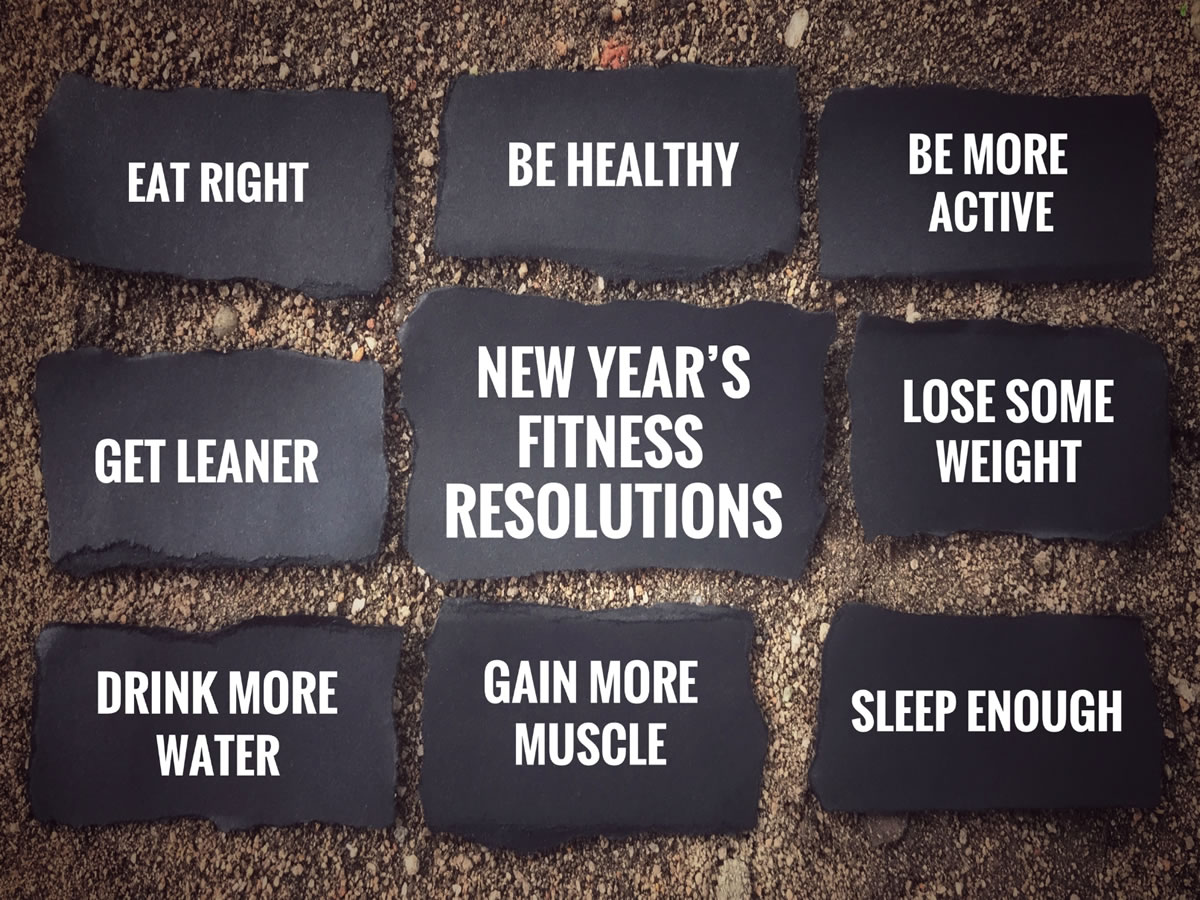
Figure Out Your Fitness Goals
First, establish what your fitness goals are for 2026. What are you looking to achieve?
They should be personal to you, but also realistic.
Do you want to…?
- Get and stay active
- Feel healthier
- Lean out
- Achieve a healthy weight
- Increase strength
- Improve your conditioning
- Improve flexibility
Even better, get really specific with goals like these:
- Get 7,000-10,000 steps every day
- Walk 5 times a week
- Run a 5K (3.1 miles)
- Master an advanced yoga pose (crow pose, headstand)
- Do 20 pushups in a row
- Complete 1 unassisted chin-up
- Hold a plank for 60 seconds
- Lift your bodyweight
- Learn to surf a wave
Want more guidance on setting effective fitness goals? Check out our article on how to stick to your fitness resolutions.
Break up your goals into easy steps: Setting attainable mini-goals and actionable steps that work toward big goals that can take a while to achieve is important to keep you pumped and make the process easier.
For example, if you want to lose the last 10 pounds, how many calories do you need to burn each day to lose one to two pounds per week?
Connecting your goals with emotions: Take a few minutes to think about how you’ll feel once you achieve your fitness goals. Happy, healthy, confident, energized? This can make the outcome of your goals more realistic in your brain and help keep you motivated.
Write these emotions down next to your goals in your journal. Read them to refresh yourself whenever you feel you’re going to go off track.
Set fitness goal deadlines: Establishing a realistic timeline for your fitness goals will help keep you accountable. It will also tell you when it’s time to reward yourself. Being realistic is key though. Unrealistic expectations are a recipe for failure.
Adjust as you go: Goals provide the framework for your workout plan, but it’s okay and normal to need to adjust to them along the way.
Reward Yourself: If you hit a goal, no matter how small it may seem, give yourself a reward. It will help boost your mood and confidence while motivating you to keep going. A piece of chocolate, some new workout gear, or some me-time in the bath are all game.
Time to Build Your Workout Plan
Getting in shape isn’t about doing trendy workouts for a few months and then suddenly stopping when you reach your goal.
It’s just like the old saying, “If you love what you do, you’ll never work a day in your life.” The same goes for fitness.
Find activities you enjoy, but will challenge you so you see results, and also fit into your lifestyle.
You can also mix and match exercise styles so you don’t get bored. Cross-fit, Pilates, biking, yoga, hiking, Zumba, kick-boxing, swimming, and tennis are all great.
According to the CDC’s Physical Activity Guidelines, adults need:
- 150 minutes of moderate aerobic activity per week (30 minutes, 5 times a week)
- 75 minutes of vigorous aerobic activity a week (15 minutes, 5 times a week)
- A combination of both
- Plus muscle-strengthening activities 2+ days per week
The American Heart Association echoes these recommendations, emphasizing that even small amounts of activity are better than none—and any movement counts toward better heart health.
Add in Weight Training and Learn To Love It!
For years, I avoided weight training because I thought it was too hard, too boring and something gym bros did. Boy, I was wrong.
In fact, weight training is one of the most effective ways to lose weight and build lean muscle, which can increase your metabolism and fuel fat loss. It’s made the most difference in improving my fitness level.
Start with lighter weights and focus on perfecting your form. Once you get the hang of it and see how it can change your body and improve your fitness level, you’ll learn to love it too.
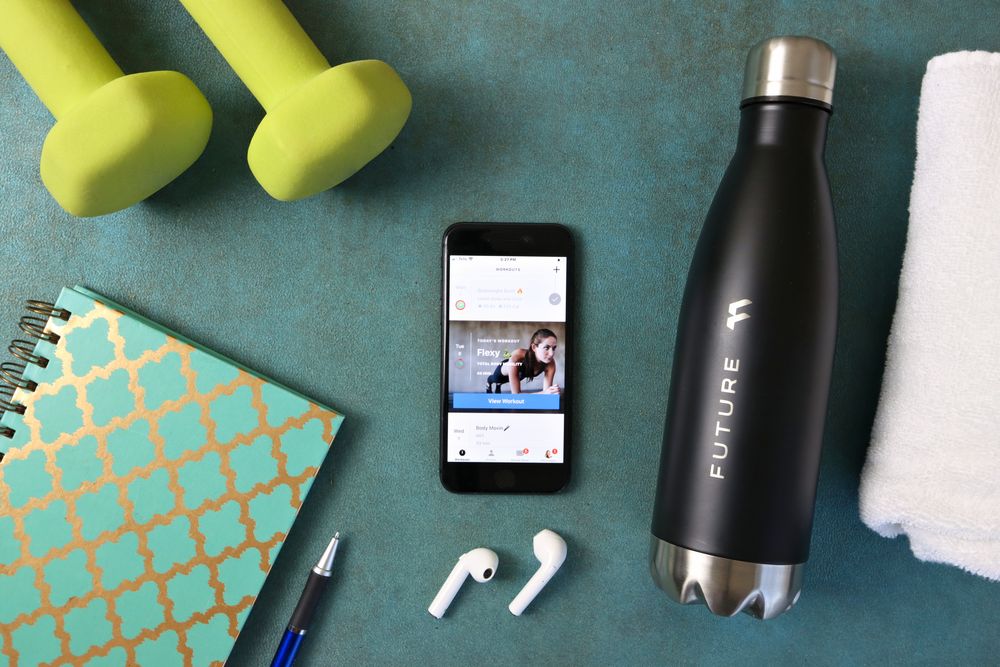
If you need help, consider getting a trainer or fitness coach to take you through the basics. I used the Future coaching app from the Apple Store and it took my motivation to a whole new level.
Strength training exercises for the upper body and lower body should be done at least twice per week.
Strength training exercises include:
- Weightlifting
- Resistance bands
- Workout machines
- Bodyweight exercises (planks, squats, lunges, pushups, triceps dips, mountain climbers)
As a beginner, start with one set of each exercise. The weight should be heavy enough to tire your muscles after about 12 to 15 repetitions.
A simple workout schedule could look like this:
- 3 days of Cardio.
- 2 days of Strength Training.
- 2 days of Recovery (walking, stretching and yoga are okay)
Always Schedule Your Workouts: Treat working out as you would a meeting at work or a doctor’s appointment. The perfect time of day is whenever it works for you.
Short on time? Research shows that splitting your workouts into shorter blocks a few times a day is as effective as one long session.
Start Slow: Don’t work out for too long or do exercises that are too difficult for your fitness level as a beginner. This can make you super sore, or worse, cause you to injure yourself. Both can make you miserable and discourage you from continuing.
If you’re just getting started, our guide on how to start exercising when you’re out of shape provides a gentle roadmap.
Always Warm-up, Stretch, and Cool Down: This will help prevent injuries and improve your performance overall.
💡 See 13 Tips To Start Weight Lifting At Home

Increase Your NEAT to Burn More Calories
Did you know that staying active throughout the day can burn up to 350 additional calories on top of your workouts?
Increasing your calorie burn is important if you’re working on fat loss.
Non-exercise activity thermogenesis, or NEAT for short, includes everything we do that isn’t eating, sleeping, or working out.
NEAT includes taking the stairs, cleaning the house, doing chores, gardening, cooking, grocery shopping, playing with your pet, and any other way you get moving during the day.
To increase your NEAT, aim to get at least 7,000 steps each day. A simple pedometer, step tracking app, or fitness watch will help keep you keep track.
Keep in mind that for the average person, walking 10,000 steps a day can burn up to an extra 3,500 calories per week. That’s 1 pound of fat!
Want to learn more? Check out our complete guide on 36 ways to increase your NEAT or discover 15 fun ways to increase NEAT that don’t feel like exercise.
Clean Up Your Diet
Fact: You can’t out-exercise a poor diet. Believe me, I’ve tried.
To achieve your fitness goals, eating healthy is key. That doesn’t mean you need to live on protein shakes and steamed broccoli every day.
Instead, make gradual small healthy changes that can have a big impact over time.
Here are some healthy food habits that will help you get fit:
Cut down on sugar: Sugary beverages and processed foods are high in calories but do little for your body and encourage you to store fat.
Drink water: Water helps increase fat burn while encouraging you to eat less. It’s also calorie-free. Research shows it can increase metabolism by 30% for up to 40 minutes after drinking.
I like to add some lemon or a few pieces of frozen fruit to my water bottle for a twist of healthy flavor.
Create A Meal Plan: When you plan out your meals and have them ready to go, you’ll be less likely to go through a drive-through or binge on unhealthy stuff. Portioning out healthy snacks can help you stay within your daily calorie count while keeping you satiated.
Learn how to stock your fridge for weight loss to set yourself up for success.
Focus on Getting More Protein: You need protein to build muscle. It helps you feel fuller longer, but also has a thermogenic effect, which means your body burns calories to digest it.
Opt for lean protein like lean steak, chicken, turkey, fish, cottage cheese, and Greek yogurt. Plant-based options include tofu, tempeh, lentils, and beans.
Check out our guide on the best sources of lean protein for more options.
Choose Complex Carbs: If you’re working out, cutting out carbs completely can leave you weak and tired. Choose healthy high-fiber carbs that digest slowly and can help balance blood sugar like bananas, sweet potatoes, beans, peas, oatmeal, and quinoa.
Check Food Labels: There’s no need to get crazy, but checking the nutritional and calorie content of the food you’re eating can be eye-opening. Processed, sweet, and fatty foods can pack calories without providing much nutrition or satiation. It’s okay to reward yourself, but eating more mindfully rather than mindlessly can help you get to where you want to be.
Download a Nutrition Tracking App: Nutrition tracking apps like MyFitnessPal keep you on track and discourage you from eating unhealthy foods.
Consult with a physician or registered dietitian before beginning any new program of physical activity or diet change.
Prioritize Recovery
Giving your body time to rest and repair your muscles is just as important as getting your workouts in and eating right.
As a beginner, take off from intense workouts 2 to 3 days a week. Listen to your body. If you’re too sore to work out, don’t.
Sleep is one of the most important factors for recovery and can reduce your risk of inflammation and injury. Aim for 7-9 hours per night.
Instead, do exercises like gentle yoga, stretching, and walking, which are active recovery movements.
It’s also important to stay hydrated and aim to get 20 grams of protein right after your workout.
Don’t Obsess Over The Weight On The Scale
Your starting weight is a good metric to take when you start a workout again. But obsessing over the weight on the scale is counterproductive.
Here’s why: The average adult’s weight can fluctuate by 2-5 pounds or more per day. (2)
This can depend on a lot of factors, including water, salt, and carb intake, as well as hormone changes. (3)
If your clothes are fitting better, you have more energy and you’re getting stronger, you’re doing amazing.
If you weigh yourself, do it in the morning after you’ve visited the bathroom and before eating or drinking.
Stay Consistent. Stay Consistent. Stay Consistent.
It was only when I ditched excuses and kept to a fixed workout schedule I started seeing the positive changes in my body and fitness.
See also

It’s simple: if you want the body of your dreams, show up each day and do the work. To reach any goal, fitness or otherwise, consistency is key.
But many of us fall off track when we don’t feel like we’ve achieved a beach body in a couple of weeks.
Here’s a rough timeline of when to expect results:
| Timeline | What to Expect | Action Steps |
|---|---|---|
| 1-4 Weeks | Hardest period. Building habit. Some “newbie gains”—subtle muscle tone, small fat loss. Expect soreness. | Focus on consistency over results. Show up every scheduled day. |
| 3 Months | Noticeable strength gains. Better conditioning. Others notice body changes. | Add advanced exercises. Adjust nutrition if needed. |
| 6 Months | Drastic fitness and body transformation. Exercise is now a habit. | Set new challenging goals to stay motivated. |
💡 See how to stay motivated to exercise
Accountability is Everything
Having a support system or another person to share your fitness journey with is one of the most important things you can do to achieve your fitness goals.
Not only can it help keep you motivated on days you’d rather watch Netflix than hit the gym, but research shows that having a family member or workout buddy to share your journey can improve your chances of success.
There are also tons of fitness and nutrition-related groups online that you can join to get tips, share ideas, and stay motivated with others on the same journey. Facebook is great for this, as is Reddit.
But having an accountability partner like a coach or mentor that you regularly meet up with to share your progress makes the most difference in achieving success.
According to research from Dominican University, here’s the difference having an accountability partner can make:
- Setting a goal: 6-10% likely to achieve it
- Writing out your goal: 25-30% likely to achieve it
- Sharing your goal with others: 50-60% likely to achieve it
- Having an accountability partner: 95% achievement success rate!
It’s clear that an accountability partner is an absolute game-changer if you want to achieve a goal.
The Secret to 95% Success Rate
Want to know the difference between people who achieve their fitness goals and those who don’t? Accountability.
After 4 years and 1,000+ workouts with my Future coach, I can tell you: having someone check in on you daily changes everything.
💡 Limited Time: Get 75% off your first month of Future coaching →
30-day money-back guarantee • Cancel anytime • Choose your coach
Get Help From A Personal Fitness Coach
The path to getting fit on your own isn’t easy. Otherwise, I wouldn’t be writing this post and you wouldn’t be reading it.
Knowing if you’re doing the right exercises in the right amounts, or working too hard or too little, can get frustrating and cause you to give up. But hiring a personal trainer or fitness coach quickly puts you on the right path to success.
Not only can they give you a workout plan that’s right for your fitness level and show you proper exercise form, but they can also give you advice along the way while inspiring and motivating you to keep going.
This is what most of us really need.
You can hire a trainer to work with at your local gym. But if you’re short on time and don’t have (or want) a gym membership, getting a remote or online coach is where it’s at.
For me, getting a fitness coach through the FUTURE fitness app made a life-changing difference for me. After years of trying to get fit on my own, Future made it so easy.
But what’s unique about Future, is that, unlike other apps, it’s 100% based on the science of accountability. And it’s that accountability that will launch your likelihood to succeed by 95%. I love those odds.
Still wondering if coaching is right for you? Read our article on whether online fitness coaching is worth it.
Here’s How Future Coaching Works
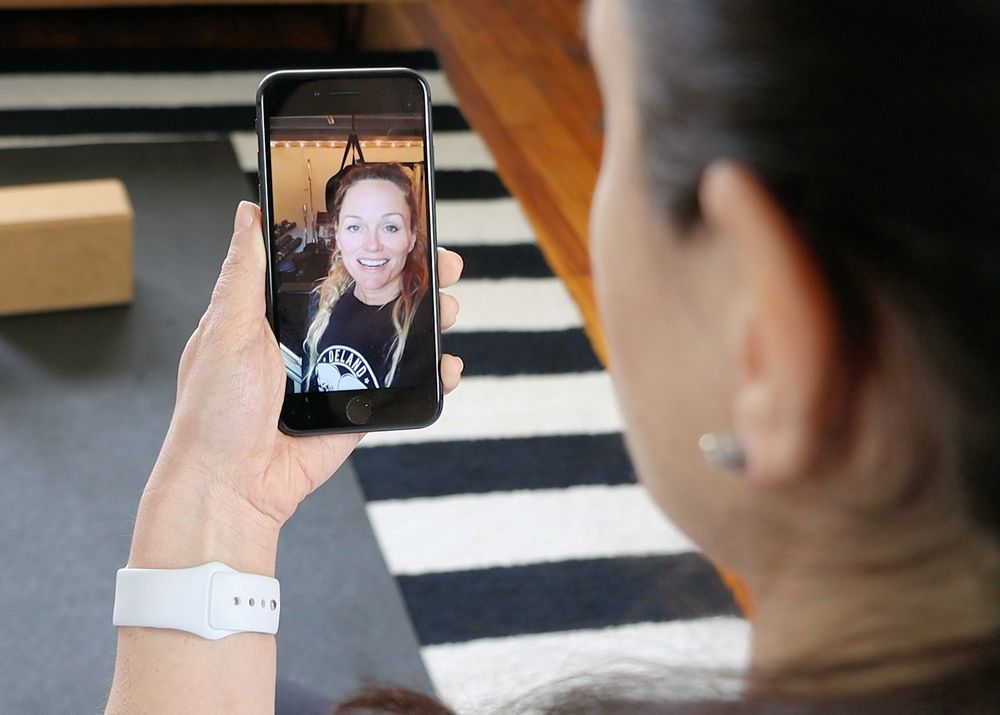
Once you sign up and get paired up with a coach, you’ll schedule a time to have a FaceTime call to meet your coach and give you a chance to connect with the person you’ll be chatting with every day. And they’ll learn about your fitness history and goals.
Then they’ll make you a weekly custom workout program based only on the ways you like to get active. Hate burpees? You’ll never see one.
Then every day you have a workout scheduled, your Future fitness coach will check in on you to see how your workouts are going, answer questions, give advice, and keep you totally motivated!
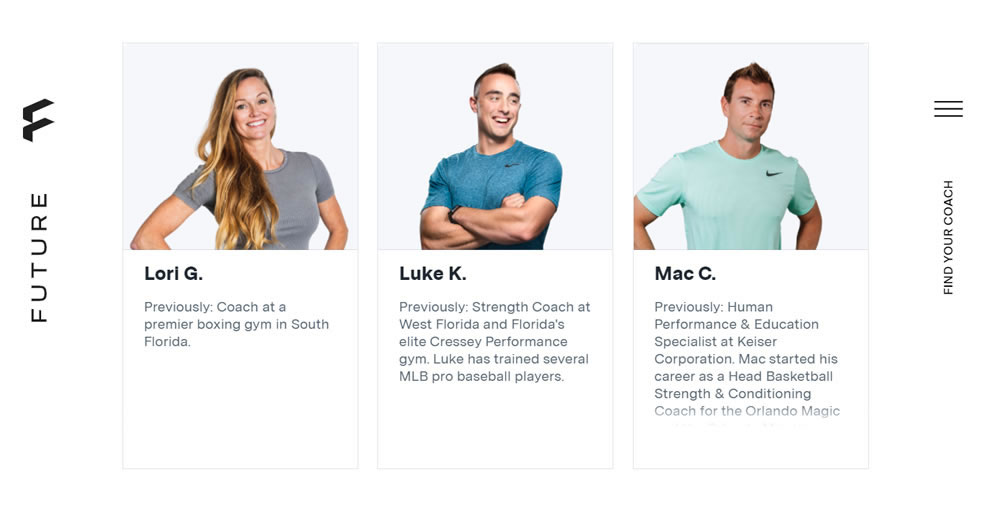
💡 Find the perfect coach for you with this quick quiz!
Through the Future app you can:
- Access all your scheduled workouts (they have video and audio guides)
- See and track your progress
- Get badges for milestones
- Talk to your coach
Your Future coach will:
- Message back and forth with you to help you stop excuses and stay accountable
- Be there to give you fitness and nutrition advice
- Help you with recovery
- Introduce you to effective exercises you might not do on your own
- Motivate you to push yourself for better results
With Future, your fitness coach is a real person. There’s never any canned or automatic responses.
And you don’t have to stress out about what workouts you should do or waste time making mistakes. They can tell you exactly what you need to do to get in shape and when to do it.
The workouts are flexible, super effective, and you:
- Can do them at home, outside, in the gym, in a pool, or wherever else you like to get fit
- Don’t need a gym membership or any special equipment
- Can do or access them any time of the day
- Take them with you traveling
My coach makes working out fun, but it’s the accountability factor that has kept me on track for over four years. And guess what? I’ve built the habit of exercising and I’m more fit than I’ve ever been before. I even look forward to my workouts now.
Compared to an in-person, personal trainer it’s crazy affordable and costs about the same as your daily latte.
If you’ve never been able to stick to a fitness routine, having a Future personal fitness coach can be the difference between failing and success. I know it was for me.
→ See our detailed 4-year review of Future here.
Frequently Asked Questions About Achieving Fitness Goals
How long does it take to see results from working out?
You’ll feel better within 1-2 weeks (more energy, better mood). Visible changes typically appear around 6-8 weeks with consistent effort. Significant transformations take 3-6 months. Remember: consistency matters more than perfection.
What’s the most important factor in achieving fitness goals?
Consistency beats intensity every time. Showing up for moderate workouts 4-5 times weekly produces better long-term results than sporadic intense sessions. Having an accountability partner increases your success rate to 95%.
Do I need a gym membership to get fit?
No! Many people achieve excellent results with home workouts, bodyweight exercises, and outdoor activities. The best workout is one you’ll actually do consistently.
How do I stay motivated when I don’t see immediate results?
Track non-scale victories: energy levels, strength gains, how clothes fit, improved mood, better sleep. Take progress photos every 2-3 weeks. Focus on building the habit, not just the outcome.
Should I focus on diet or exercise for weight loss?
Both! You can’t out-exercise a poor diet, but diet alone won’t build muscle or improve cardiovascular health. The most effective approach combines healthy eating with regular exercise for sustainable results.
What if I miss a workout?
Missing one workout won’t ruin your progress. Get back on track the next day without guilt. What derails people isn’t missing a single session—it’s the “all-or-nothing” mindset that turns one missed day into a week off.
Ready To Achieve Your Fitness Goals? Try Future For Yourself!
As a reader of Better Living, join Future today with the discount code below.
💡 Limited Time Deal → As a Better Living reader, join Future today and your 1st month is 75% OFF!
Plus, Future offers a 30-day risk-free trial. So, pick your coach and start your fitness journey now!
Further Reading
Build Your Foundation:
Maximize Your Results:
Nutrition & Weight Loss:
Online Coaching & Training:
Better Living uses affiliate links. If you make a purchase through them, we may receive a small commission (for which we are deeply grateful) at no cost to you.
