 JuicyTalk
Xbox Game Pass is, at least from the consumer’s perspective, a rather excellent value proposition. Xbox itself even sings the praises of its incredibly popular subscription service, a platform that has, more or less, become the bedrock of its entire business model. It continues to make Xbox a lot of money thanks, in large part, to its genuinely entertaining back catalog and steady stream of chart-topping, headline-grabbing releases such as Clair Obscur: Expedition 33 and Hollow Knight: Silksong.
Indeed, it is Game Pass’s ridiculous revenue milestones that give everyone the notion that it is here for the long run and won’t eventually meet an expected demise. However, despite Game Pass making a lot of money in the short run, its business model has a fundamental flaw that could eventually see its greatest asset stripped away, leaving it without the one thing that users actually want from it: good games.
Ex-Xbox Executives Are Speaking Out Against Game Pass
Pete Hines Thinks Short-Sighted Decisions Were Made
Unsurprisingly, people have been speaking out against Xbox Game Pass and its many shortcomings for quite some time. Just recently, former Sony Worldwide Studios chairman Shawn Layden criticized Game Pass heavily, believing it to be negatively impacting developers who choose to put their games on the platform. Now, former Xbox executives are voicing their concerns about the subscription service and specifically its long-term impact on the industry as a whole.
Speaking to DBLTAP, former Xbox boss Pete Hines explained that he believes “short-sighted decision-making” done “several years ago” is “bearing out the way [he] said,” and resulting in serious negative consequences for developers. He elaborated, explaining that Game Pass’s business model has changed users’ spending habits and ultimately resulted in creators and developers not getting the proper acknowledgment or compensation that they deserve. He said:
“You can’t buy a product anymore. When you talk about a subscription that relies on content, if you don’t figure out how to balance the needs of the service and the people running the service with the people who are providing the content – without which your subscription is worth jack sh*t – then you have a real problem […] You need to properly acknowledge, compensate, and recognize what it takes to create that content and not just make a game, but make a product. That tension is hurting a lot of people, including the content creators themselves, because they’re fitting into an ecosystem that is not properly valuing and rewarding what they’re making.”
Former VP of Xbox Game Studios, Shannon Loftis, backed up Hine’s comments via LinkedIn, stating, “While Game Pass can claim a few victories with games that otherwise would have sunk beneath the waves (Human Fall Flat), the majority of game adoption on [Game Pass] comes at the expense of retail revenue.” Essentially, both believe that, by making triple-A and indie games free at launch for subscribers, there is little incentive to buy them at full price. This, unfortunately, has far-reaching negative consequences that could lead to the downfall of Game Pass.
Game Pass May Be Dangerous For The Industry
It Is Damaging Retail Sales

All of this exposes a serious problem with Game Pass: it may be extremely dangerous for the gaming industry as a whole. Should spending habits be changed so erroneously that, at the very least, Xbox users don’t ever pay full price, then not only will Xbox be able to control the worth of certain games, but third-party developers may end up losing money. Without the ability to rely on sales beyond Game Pass, developers will be at the mercy of Xbox and the Game Pass model as a whole.
This issue is compounded by the fact that, unlike films, which can make money at the box office, and music, which can generate revenue from concerts, games do not have a second means of earning money. As a result, unless they’re designed to be a live service title, developers have no way, at least on Xbox, to earn more money for the game they spent years and potentially tens of millions making.
There’s also the issue of players’ attention rates dwindling thanks to the FOMO perpetuated by Game Pass and similar subscription services. Games are now designed for Game Pass in order to maximize play time and keep people hooked. We may end up with lower-quality or front-loaded games as a result, which would ultimately hurt the consumer. The alternative is that Game Pass falls, killed by the very developers that once supported it, and, frankly, that’s a more likely outcome.
Game Pass Might Lose The Games It Needs To Survive
Developers May Not Feel Suitably Rewarded By Game Pass

Game Pass is constantly losing games, but it has enough developers keeping it afloat for that not to matter, at least right now. However, if developers realize that by supporting the Game Pass ecosystem, they’re only helping to further perpetuate the brutal cycle that’ll see them potentially lose money or, at least, lose out on long-term revenue, they’ll pull their games completely and look to other platforms to publish on. We’re already seeing this with developers skipping Xbox in favor of the Switch or PlayStation.
Should Game Pass lose its primary reason for existing, then it’ll almost certainly see its subscriber count plummet. These subscription services often hit a plateau anyway, something that’s only ever avoided by introducing new and fresh content. That won’t be possible if developers avoid putting their games on Game Pass due to the negative impact it is having on them directly. Conversely, this could end up forcing Xbox’s hand, making it pay more to incentivize developers to return and thus continuing the cycle.
Ultimately, the “short-sighted decision-making” Pete Hines was referring to is absolutely proving to be a problem today. Xbox did little to preempt the decline in retail revenue for Xbox titles and the potential risk that could pose to Game Pass’s long-term growth. Buying up popular indies, getting new games on day one, and gabbing as many exclusives as possible worked for the service’s early success, but it’ll inevitably backfire once developers realize there’s little profit in putting their games on Xbox Game Pass.
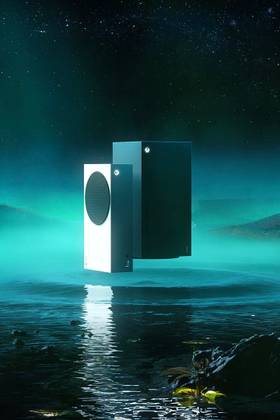
- Brand
-
Xbox
- Original Release Date
-
November 10, 2020
- Original MSRP (USD)
-
Series X priced at US$499 and the Series S priced at US$299
- Weight
-
9.8 lb


