 JuicyTalk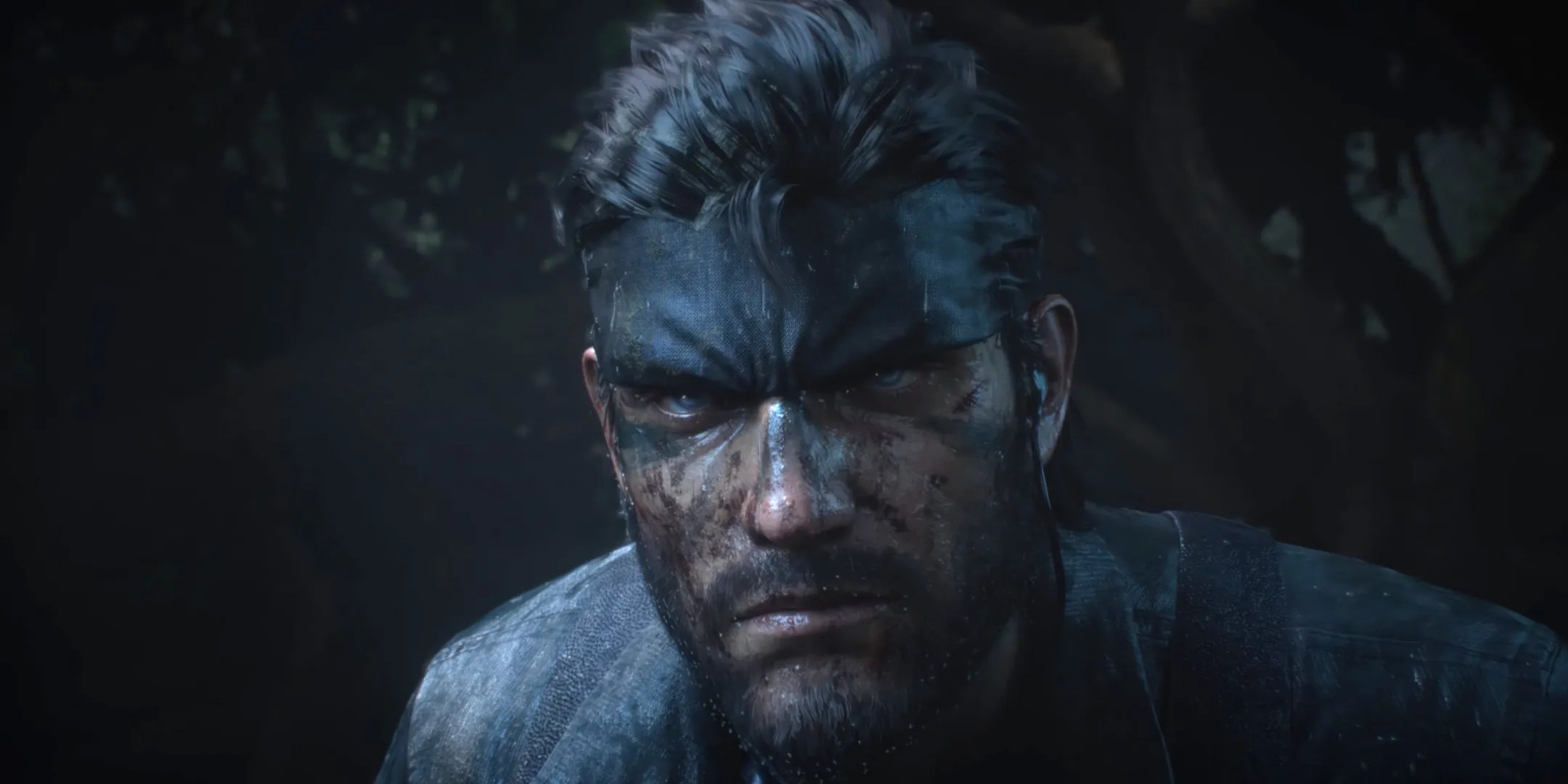
It’s hard to argue that Metal Gear Solid Delta: Snake Eater isn’t a graphical step up from the original Metal Gear Solid 3. That isn’t to say it looks better, which is a matter of preference, and I personally hold the style of the original in higher regard. But the jungle is certainly more densely detailed, a natural product of the two decades that have passed between iterations.
Just like the original, Delta: Snake Eater is pushing the limits of consoles, and it’s doing it on an engine that’s notorious for performance problems. Like many other Unreal Engine 5 games, Delta: Snake Eater‘s attempts at photorealistic environments are accompanied by some trade-offs. While the original Snake Eater came with some performance limitations of its own, the Metal Gear Solid game that preceded it actually managed to outdo them both.
Kojima Hit The PS2 Running
I’ve been playing through the earlier Metal Gear Solid games on original hardware, and I was struck by Metal Gear Solid 2‘s performance in my playthrough. Traversing the Big Shell feels buttery smooth on a PS2 thanks to a generally consistent 60 FPS, an impressive feat for a 2001 game. The system had only been out for a year in North America, but Metal Gear Solid 2 was already making the most of the hardware.
Granted, there are a couple of caveats. Intense rain can affect the frame rate, and massive explosions make even the Game Over screen slow down. Throughout almost all of the game, though, every acrobatic movement Raiden makes is just as fluid as you’d want it to.
Metal Gear Solid 3 was a step back in this department, although it isn’t much of a surprise. Going from an environment made up of hard angles to a forest full of tall grass and slithering snakes pushed the PS2 much closer to its limits, and the series dropped back down to 30 FPS to compensate. It’s a fair trade-off, but that doesn’t make Metal Gear Solid 2‘s accomplishment any less impressive.
MGS Delta: Snake Eater Struggles In Unreal Engine 5
60 FPS Is Apparently Too Much To Ask

Analysis of Delta: Snake Eater‘s performance comes courtesy of Digital Foundry, who highlighted the game’s frame rate fluctuations in a YouTube tech breakdown. On the base PS5, the game fluctuated between 40-60 FPS in its 60 FPS performance mode and even dropped into the 30s. Rather than things getting better on the PS5 Pro, they get worse, with Delta: Snake Eater sometimes running at a lower frame rate on the Pro than on the standard system.
I’m not a snob about frame rates, and the original Snake Eater has some terrible drops in moments like the boss fight with the Pain. Nonetheless, I am a bit of an anti-Unreal Engine 5 advocate. The list of games that face significant performance issues on the engine has been growing more conspicuous with every passing month, with frequent stuttering and ugly sharpening filters making many of them unpleasant to play.
Metal Gear Solid 5 ran on the Fox Engine, an impressive engine created specifically for Metal Gear Solid. Had development on the Fox Engine continued, we might have had a better-performing Delta: Snake Eater running on a direct Fox Engine successor. Instead, Konami merely let Fox Engine trundle along as the engine for yearly soccer games before phasing it out in favor of Unreal Engine 5.
A Few Steps Forward, A Few More Back

The PS2 Metal Gear Solid games still look great on a CRT screen today. Metal Gear Solid 2 features plenty of striking, reflective environments, and MGS3‘s detailed character models have no trouble carrying convincing cutscenes 20 years later.
In the years since then, we’ve come much closer to photorealism and set significantly higher standards for resolution, textural details, ray-traced lighting, and more. Sometimes, though, it feels as if we’re pushing the limits a little too aggressively. Juggling all of those other improvements stops Delta: Snake Eater from properly bumping up the frame rate, which feels like the simplest standard to target.
I don’t think this will stop anyone from enjoying Delta: Snake Eater, and the core of the game is still fantastic in any package. If you haven’t played the classic versions of Metal Gear Solid games, though, I’d encourage you to give them a shot. They hold up wonderfully in most regards, and even if the graphics are simpler, the art direction is much more striking than Konami’s new presentation.
I had similar qualms with Oblivion Remastered earlier this year. Oblivion arguably needed the help more than Metal Gear Solid 3, but that Unreal Engine 5 remaster also overwrote an interesting art style in favor of a more generic approach.
Maybe, sometimes, a 5 or 10 GB game that you can get for 10 bucks is better than splurging on a 100 GB Unreal Engine 5 juggernaut. Maybe not. When the latter can’t even promise a stable performance improvement on modern hardware, though, I think the question of whether Metal Gear Solid 3 Delta: Snake Eater really outdoes Kojima’s accomplishments of the 2000s is at least worth asking.


