 JuicyTalk
The science fiction genre is chock-full of incredible opening lines that serve to immerse readers into their worlds effortlessly and instantly. From George Orwell’s ominous “It was a bright cold day in April, and the clocks were striking thirteen” in 1984 to William Gibson’s haunting description of a sky “the color of television, tuned to a dead channel” in Neuromancer, some of the genre’s greatest books establish their identities from the very first sentence.
Douglas Adams, for example, immediately establishes the absurdist wit of The Hitchhiker’s Guide to the Galaxy by describing a house that “had stood for about three years and looked more or less the same,” while Andy Weir’s The Martian wastes no time communicating how dire things are about to get with, “I’m pretty much fucked.” These famous first lines do more than just grab their readers’ attention; they introduce the tone, world, and core emotion of their stories, drawing their readers in immediately.
However, one of the greatest opening lines in sci-fi comes from one of the greatest sci-fi novels of all time, and remains unmatched over six decades since it first redefined what was possible in the genre back in 1965:
“A beginning is the time for taking the most delicate care that the balances are correct.”
Dune’s Opening Line Is Absolutely Perfect
Long before Denis Villeneuve’s modern big-screen adaptation of Frank Herbert’s iconic Dune novels, the deserts of Arrakis were capturing the fears and imaginations of thousands of sci-fi fans around the globe. These novels became iconic not just for their unparalleled world-building and character development, but also for Herbert’s signature philosophically profound writing style that was simply way ahead of its time.
Herbert’s opening epigraph is a masterclass in world-building, with an opening line that serves as a perfect primer for the style of wisdom readers will find peppered throughout their journey ahead. The opening lines are attributed to the “Manual of Muad’dib,” which in itself serves to set up Herbert’s use of epistolary-style epigraphs drawn from fictional in-universe documents throughout the rest of the text, simultaneously building an in-universe lore without being overt or heavy-handed about it.
Frank Herbert Was Ahead Of His Time


- Courtesy of Everett Collection
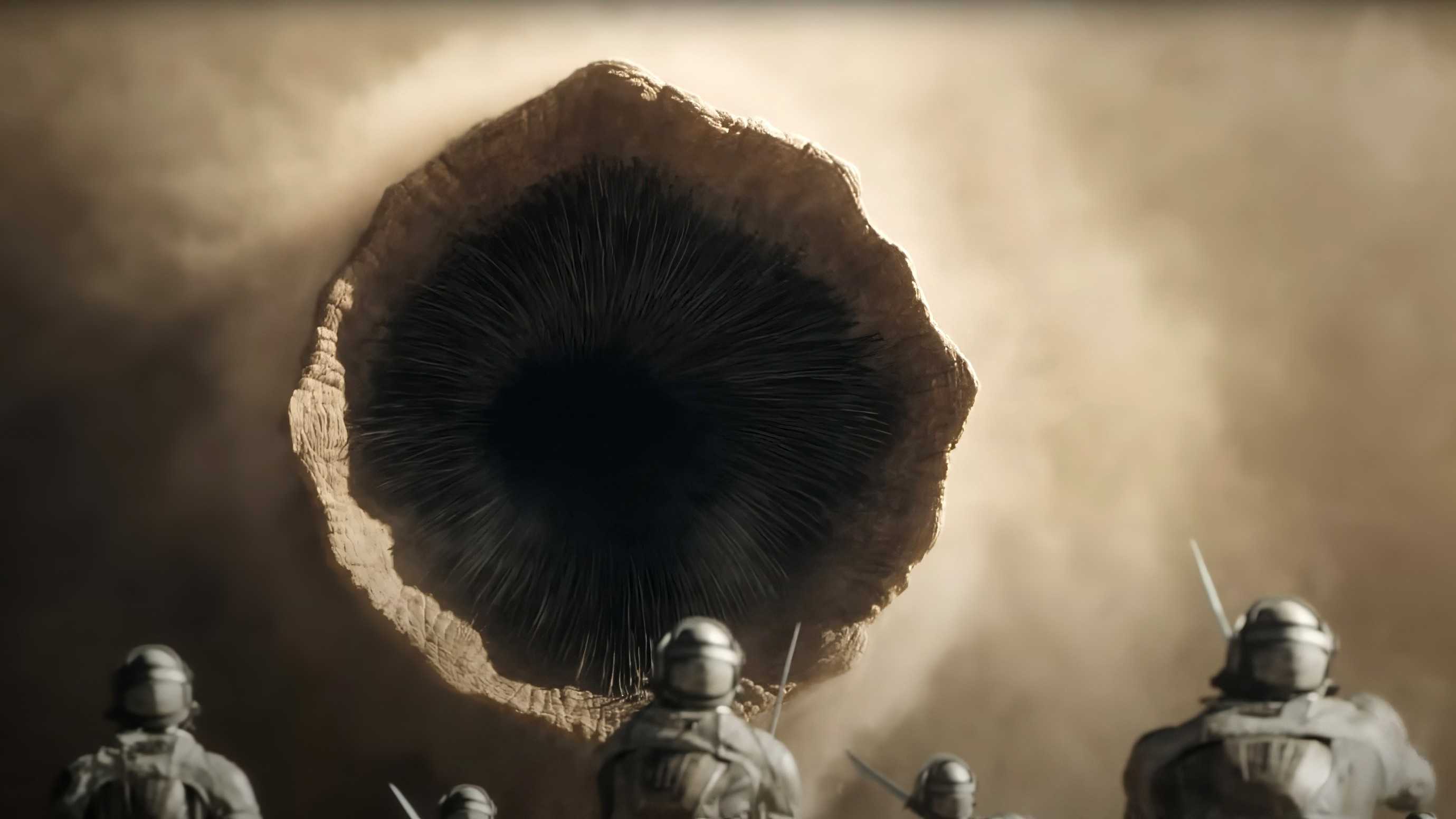


The opening epigraph in its entirety is Herbert at his best, and continues the effortless world-building while also introducing readers to the key players, factions, setting, main conflict, and foreshadowing what’s to come:
“A beginning is the time for taking the most delicate care that the balances are correct. This every sister of the Bene Gesserit knows. To begin your study of the life of Muad-Dib, then, take care that you first place him in his time: born in the 57th year of the Padishah Emperor, Shaddamn IV. And take the most special care that you locate Muad’Dib in his place: the planet Arrakis. Do not be deceived by the fact that he was born on Caladan and lived his first fifteen years there. Arrakis, the planet known as Dune, is forever his place.” — From “Manual of Muad’dib” by the Princess Irulan
There are countless moments like these across the entirety of Dune, with iconic lines throughout the novel that have become cultural touchstones, such as “Fear is the mind-killer.” While the modern film adaptations and HBO’s Dune: Prophecy series have done Herbert a great service by introducing a new generation of fans to Arrakis and the larger mysteries of the larger Dune mythos, nothing will surpass what the original work managed to accomplish 61 years ago.

- Cast
-
Kyle MacLachlan, Timothée Chalamet, Zendaya, Austin Butler, Javier Bardem, Rebecca Ferguson, Oscar Isaac, Jason Momoa, Stellan Skarsgård, Josh Brolin, Dave Bautista
- Created by
-
Frank Herbert
- Movie(s)
-
Dune, Dune, Dune: Part Two, Dune: Part Three
