 JuicyTalk
Dungeons & Dragons includes multiple ways for each party member to customize their characters in a way to suit their individual playstyle. Although the oaths and abilities have changed from one edition to the next as the game evolved, paladins remain a staple part of the D&D fantasy universe. However, they have quite a few subclasses to choose from, and it can be difficult to decide which one is the best fit for a character.
Subclasses for paladins are divided by the oaths that they take, which affects how these characters are played and adds flavor for roleplaying. As fun as it might be to base subclass decisions on what option is the most fun to roleplay, it’s also important to build characters in a way that’s still viable in combat. Generally speaking, the subclasses revisited in the 2024 rules revisions will have a bit of an uptick in power compared to the others, but they’re all still viable depending on the preferred flavor.
10
Oath Of The Crown
Uphold Laws & Value Loyalty
In some ways, the tenets of the Oath of the Crown have stereotypical paladin vibes to them. These characters value society and its laws, swearing to uphold them and usually serve the nation as a whole or swear loyalty to the sovereign of that nation. While the idea and background of this oath seem like a perfect paladin set-up, the features of this subclass end up being lackluster in terms of combat and actual gameplay.
The highlight of Oath of the Crown comes from its Channel Divinity, specifically Champion Challenge. This ability lets the paladin act as a tank who can exert a measure of control over the battlefield to help keep squishy characters out of damage. While Channel Divinity: Champion Challenge lets the paladin force enemies to stay within 30 feet of them unless they pass a wisdom saving throw, the rest of the kit that comes with this subclass isn’t as useful.
9
Oath Of Redemption
A Paladin Trying To Improve The World

While the name of the Oath of Redemption subclass makes it seem like the paladin is looking for redemption, this type of paladin is actually on a journey to redeem those they come across in their travels. Although the oath’s abilities are strong, a highlight of this oath is the roleplaying potential. It has more variety than the Oath of Devotion, especially since it balances protecting the innocent and redeeming the wicked with culling those who cannot be redeemed.
Both options for Channel Divinity have their uses with this oath, with Rebuke the Violent being able to force an enemy to take a chunk of damage if they fail the saving throw. Then, there’s Aura of the Guardian, which lets the paladin take damage in the place of their ally. Combined with Protective Spirit, which restores hit points at the end of each turn where the paladin has less than half their total health and is still conscious, this subclass is a strong option for tanking.
8
Oath Of The Ancients
Be The Light

Although it’s ranked among the lower end of the paladin subclasses, Oath of the Ancients isn’t a bad option overall, especially after the 2024 rules revision made some helpful updates. The problem is that the other subclasses are better options, especially since the abilities, spells, and features of Oath of the Ancients are only useful in niche situations more often than not. As a result, this subclass relies a lot on the setting of the campaign and the types of enemies the party will be facing.
Even when overlooking the niche abilities of this oath, it makes a good option for a character looking to be a tank, healer, or act as the face of the party. Its tenets value doing what’s good regardless of laws, valuing life and its beauty while vowing to protect it. In practice, these tenets can be a bit ambiguous, but they have the potential to create interesting scenarios while roleplaying, and that can be a lot of fun if the paladin is also the face of the party.
7
Oath Of Glory
For Those That Want To Become Legends

Oath of Glory isn’t the worst subclass option for a paladin, and once again, the 2024 updates helped to bring it closer in line with stronger s. Its tenets revolve around focusing on actions instead of words and seeking glory that will allow the paladin to be remembered as a legend. Channel Divinity: Inspiring Smite is one of this subclass’ highlights, and it can quite literally save the lives of their team, since it allows for temporary hit points to be divided among creatures of the paladin’s choosing.
Aside from having that Channel Divinity and the option to smite enemies, Oath of Glory feels similar to a fighter, and it might be worth playing as a fighter instead if that’s the case. Aura of Alacrity is significantly better in the 2024 rules, as the range limit on giving an ally a speed boost is doubled from five feet to 10.
In the end, it’s an option that can be viable in general, and the roleplay potential is fun, but it isn’t the strongest pick. After the 2024 revisions, though, there’s no need to worry about it being an underpowered choice.
6
Oathbreaker
Turn A Paladin Into A Necromancer

The key feature of the Oathbreaker subclass is that they are a paladin who had an oath at one point in time, but they went against the tenets of it. This means that their power of light is now gone, and they turn to darkness for power instead. As an Oathbreaker, the paladin is essentially able to create an undead army, especially if they go with the Channel Divinity: Control Undead option that makes an undead creature follow the paladin’s orders for a day if they fail the saving throw.
Unlike most of the other oaths, the Oathbreaker is more focused on dealing damage than protecting their allies. While it can be a strong and fun option, it might require a bit of homebrew effort to make it fit with the party depending on the campaign, especially since Oathbreakers are supposed to be evil characters. Although it’s a fun subclass with a nice set of spells to use alongside a dread lord transformation, it’s much less fun if a dungeon master forces a paladin to become an Oathbreaker because they break their oath, but didn’t want to be an Oathbreaker.
5
Oath Of Conquest
A Strong Early Game Option

Oath of Conquest paladins value strength above all else, and this is incredibly clear in their tenets. They value overwhelming victory and ruling over others with an iron fist. With these tenets, roleplaying a paladin who takes the Oath of Conquest can be both fun and disruptive, since the paladin might ally themselves with NPCs purely based on their strength and not the overall goal of the party. However, this subclass is viable, and it has tools that let the paladin control the battlefield, especially in the early game, where it’s easier to afflict enemies with fear statuses.
Paladins using the Oath of Conquest subclass need to build in a way that makes the most use of their ability to both fear enemies and keep them in place with hold person. Part of this optimization comes from stacking charisma, because paladins can automatically crit enemies that are feared or held in place. Another tool to optimize this subclass is using reach weapons, which let the paladin keep enemies at a distance while they’re feared, but still deal damage to them.
4
Oath Of Noble Genies
An Unusual New Option

The Oath of Noble Genies is the latest addition to the paladin canon, arriving for the first time in the 2025 book Forgotten Realms: Heroes of Faerûn.This one struck many fans as overpowered when it first showed up in Unearthed Arcana playtesting, and the version that ultimately made it to publication isn’t far behind.Casting Divine Smite allows Noble Genies paladins to use Channel Divinity to invoke a variety of powerful effects. Dao’s Crush can automatically grapple and restrain any enemies without immunity, for example, and Djinni’s escape offers a great way to move around the battlefield safely. Aura of Elemental Shielding lets Paladins give their party resistance to various damage types without concentration.While nothing in the Oath of Noble Genies will prevent most characters from going this route, it might not always be the most interesting roleplaying choice. Despite being a very powerful new addition, this shouldn’t simply become the default for anyone looking to play a paladin.
3
Oath Of Devotion
Gives The Paladin A Fantastic Aura

The Aura of Devotion that Oath of Devotion paladins get at level seven might be the best aura among all the subclasses. With this aura, the paladin and friendly creatures within 10 feet of them can’t be charmed as long as the paladin is conscious. While this is the highlight of the Oath of Devotion subclass, it isn’t the only useful feature.
Channel Divinity: Sacred Weapon helps the paladin through early levels, and the 2024 changes make it better than ever, as getting Sacred Weapon’s bonus to attack rolls no longer requires an action. However, Oath of Devotion might be best used in a multiclass set-up after getting the Aura of Devotion. As far as their tenets go, this subclass is a stereotypical paladin, valuing honesty, compassion, duty, courage, and honor. Because of that, it can be a tempting option for roleplaying, but it might also end up feeling stale compared to other options.
2
Oath Of The Watchers
Brings A Lot Of Utility To The Party

Paladins who take the Oath of the Watchers focus on protecting the Mortal Realms from threats. Channel Divinity: Watcher’s Will can make a huge difference in a fight, since it lets the paladin add their charisma modifier to intelligence, wisdom, and charisma saving throws for themselves and their chosen creatures. This ability combines perfectly with Vigilant Rebuke, which deals damage to enemies who force saving throws that allies have succeeded against.
Oath of the Watchers often ends up low on ranking lists, but it can be made into a powerful paladin option, especially with high initiative that puts the paladin in combat first once they have Aura of the Sentinel. Plus, Aura of the Sentinel can be used to boost the party’s initiative as a whole, which can result in enemies being eliminated before they have a chance to attack. The kit overall has a lot of uses, but this subclass can also be a powerful option for multiclassing, if only because of its aura.
1
Oath Of Vengeance
Strike Fear Into Enemies

Paladins who swear the Oath of Vengeance seek to bring those who have committed sins to justice, usually by dealing the punishment to those sinners themselves. The nature of their tenets that focus on justice and punishment results in Oath of Vengeance paladins having access to spells that aren’t usually available to them. However, spells like hunter’s mark can become powerful in the hands of a paladin, alongside misty step and dimension door.
But the real highlight for Oath of Vengeance paladins might be the amazing transformation they gain at level 20. Avenging Angel lasts for only 10 minutes now, down from its previous length of an hour, but it’s still a winner. Avenging Angel comes with an Aura of Menace that keeps forcing enemies in the area to make saving throws or become frightened, and if they’re frightened, then attack rolls against them have advantage. Also, this transformation gives the paladin wings and the ability to fly for its duration.
Paladins are a sturdy class that often make strong tanks and provide support for the party. However, the subclasses available for a paladin – even when limited to only official options – bring with them a decent amount of variety that makes each option feel unique. But even with each option having its own uses, not every paladin subclass is as strong as the others in Dungeons & Dragons.
- Original Release Date
-
1974
- Publisher
-
TSR Inc., Wizards of the Coast
- Designer
-
E. Gary Gygax, Dave Arneson
- Player Count
-
2-7 Players
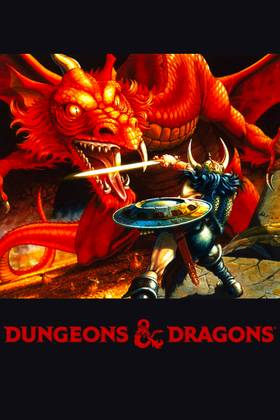
Dungeons and Dragons is a popular tabletop game originally invented in 1974 by Ernest Gary Gygax and David Arneson. The fantasy role-playing game brings together players for a campaign with various components, including abilities, races, character classes, monsters, and treasures. The game has drastically expanded since the ’70s, with numerous updated box sets and expansions.


![IPL 2026 [WATCH]: Mohammed Siraj shares a light-hearted ‘Dhurandhar’ moment with Jasprit Bumrah post GT vs MI showdown](https://i1.wp.com/crickettimes.com/wp-content/uploads/2026/04/Mohammed-Siraj-shares-a-light-hearted-Dhurandhar-moment-with-Jasprit-Bumrah-post-GT-vs-MI-showdown.webp?ssl=1 "IPL 2026 [WATCH]: Mohammed Siraj shares a light-hearted ‘Dhurandhar’ moment with Jasprit Bumrah post GT vs MI showdown")


